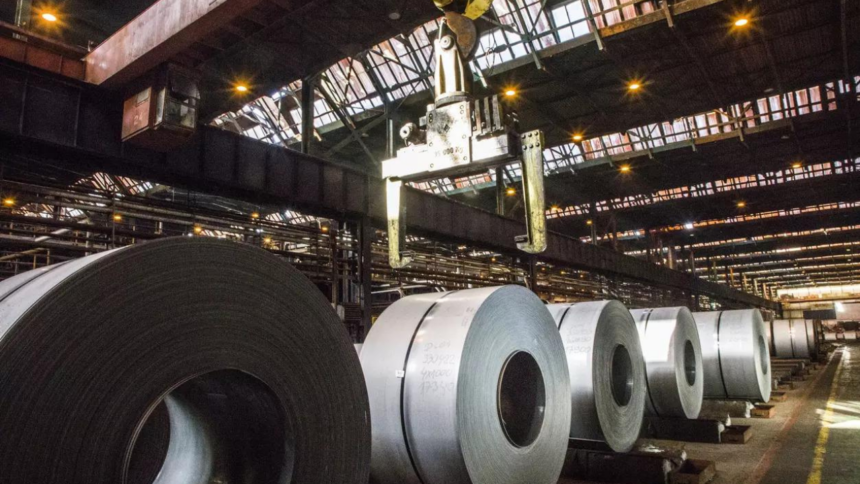
The Indian government has announced a landmark scheme to promote the adoption of cleaner technologies in the steel sector, a move aimed at reducing the industry’s carbon footprint and aligning with the country’s commitment to net-zero emissions by 2070. As part of this ambitious plan, the Centre has planned to roll out a Rs 5,000 crore scheme over the next three months to support the steel industry in adopting green technologies. This move is seen as a significant step towards reducing India’s reliance on fossil fuels and curbing greenhouse gas emissions.
Key Components of the Scheme
The Rs 5,000 crore scheme will focus on providing financial assistance to steel companies that invest in cleaner technologies, such as electric arc furnaces, hydrogen-based steel production, and other low-carbon processes. The scheme will also support research and development initiatives aimed at developing more efficient and sustainable steel production methods. Additionally, the government plans to establish a network of green steel hubs, where companies can share knowledge, best practices, and technologies to reduce carbon emissions.
The scheme is expected to benefit not only the steel industry but also the broader economy by creating new job opportunities and attracting foreign investment. The government has set a target of reducing the carbon intensity of the steel sector by 50% by 2030, and the scheme is seen as a crucial step towards achieving this goal. The Centre has also announced plans to provide tax incentives and other benefits to companies that adopt cleaner technologies, making it easier for them to transition to a low-carbon economy.
Challenges and Opportunities
While the scheme is expected to bring significant benefits, it also poses several challenges for the steel industry. One of the main challenges is the high cost of cleaner technologies, which can be a significant burden for companies with limited resources. Additionally, the industry faces a shortage of skilled workers who have expertise in operating cleaner technologies. However, the government plans to address these challenges by providing training and upskilling programs for workers and offering financial incentives to companies that invest in cleaner technologies.
The Indian steel industry has been a significant contributor to the country’s economic growth, but it has also been a major source of greenhouse gas emissions. With the Centre’s new scheme, the industry is expected to undergo a significant transformation, shifting towards cleaner technologies and reducing its carbon footprint. The success of the scheme will depend on the willingness of companies to invest in cleaner technologies and the government’s ability to provide the necessary support and incentives. If successful, the scheme is expected to have a lasting impact on the Indian economy and the environment.
Future Outlook
The Centre’s Rs 5,000 crore scheme is a significant step towards reducing India’s carbon footprint and aligning with the country’s commitment to net-zero emissions. The scheme is expected to bring significant benefits to the steel industry, the broader economy, and the environment. As the country transitions to a low-carbon economy, the steel industry is expected to play a critical role in reducing greenhouse gas emissions. The success of the scheme will depend on the industry’s willingness to adopt cleaner technologies and the government’s ability to provide the necessary support and incentives.
The future outlook for the Indian steel industry is promising, with the Centre’s scheme providing a much-needed boost to the sector. As the industry transitions to cleaner technologies, it is expected to create new job opportunities, attract foreign investment, and contribute to the country’s economic growth. The success of the scheme will depend on the industry’s ability to adapt to changing market conditions and the government’s ability to provide the necessary support and incentives.
The Centre’s Rs 5,000 crore scheme is a significant step towards reducing India’s carbon footprint and aligning with the country’s commitment to net-zero emissions. The scheme is expected to bring significant benefits to the steel industry, the broader economy, and the environment. As the country transitions to a low-carbon economy, the steel industry is expected to play a critical role in reducing greenhouse gas emissions.