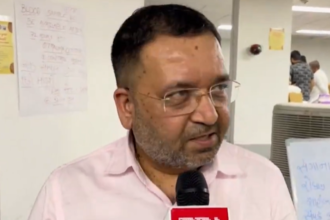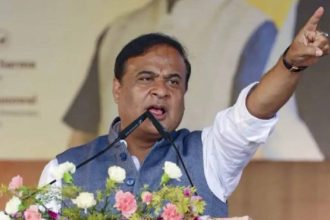
The controversy surrounding the Shri Ram Janambhoomi Teerth Kshetra Trust has taken a new turn, with Communist Party of India (Marxist) MP John Brittas urging the Centre to reconsider its decision to keep the trust outside the ambit of the Right to Information (RTI) Act. The trust, which manages the Ram Temple complex in Ayodhya, has been at the centre of a donation ‘theft’ row, with allegations of mismanagement of funds and lack of transparency in its dealings. The MP’s demand has sparked a fresh debate on the need for greater accountability and transparency in the trust’s activities, and has raised questions about the Centre’s decision to exempt it from the RTI Act.
Background of the Controversy
The Shri Ram Janambhoomi Teerth Kshetra Trust was set up in 2020 to oversee the construction and management of the Ram Temple complex in Ayodhya, following the Supreme Court’s verdict in the Babri Masjid-Ram Janambhoomi title dispute. The trust has been receiving donations from devotees and organisations across the country, and has been tasked with managing the temple’s finances and overseeing its construction. However, allegations of mismanagement of funds and lack of transparency in the trust’s dealings have been surfacing, with some donors claiming that their contributions have been misused or unaccounted for.
The donation ‘theft’ row has led to widespread outrage and calls for greater accountability and transparency in the trust’s activities. The trust has denied any wrongdoing, but the allegations have raised questions about the Centre’s decision to exempt it from the RTI Act. The RTI Act is a powerful tool that allows citizens to seek information from public authorities, and its application to the trust would have ensured greater transparency and accountability in its dealings.
Implications of the RTI Exemption
The exemption of the Shri Ram Janambhoomi Teerth Kshetra Trust from the RTI Act has significant implications for transparency and accountability in its activities. The trust’s dealings are not subject to public scrutiny, and citizens are unable to seek information about its finances, construction plans, and management practices. This lack of transparency has led to allegations of mismanagement and corruption, and has undermined public trust in the trust’s activities. The exemption also sets a bad precedent, as it suggests that public authorities can be exempted from accountability and transparency requirements, even when they are managing large amounts of public money and resources.
The Centre’s decision to exempt the trust from the RTI Act has also been questioned by experts and activists, who argue that it is unconstitutional and contrary to the principles of transparency and accountability. The RTI Act is a fundamental right that allows citizens to seek information from public authorities, and its application to the trust would have ensured that the trust’s activities are subject to public scrutiny and accountability.
Way Forward
The demand by John Brittas to bring the Shri Ram Janambhoomi Teerth Kshetra Trust under the RTI Act is a step in the right direction, as it seeks to ensure greater transparency and accountability in the trust’s activities. The Centre should reconsider its decision to exempt the trust from the RTI Act, and should take steps to ensure that the trust’s dealings are subject to public scrutiny and accountability. This would not only address the allegations of mismanagement and corruption, but also ensure that the trust’s activities are transparent, accountable, and in the public interest.
The controversy surrounding the Shri Ram Janambhoomi Teerth Kshetra Trust is a reminder of the need for greater transparency and accountability in public life, and the importance of ensuring that public authorities are subject to scrutiny and accountability. The Centre should take a proactive approach to addressing the allegations and ensuring that the trust’s activities are transparent and accountable, and should consider bringing the trust under the RTI Act to ensure that its dealings are subject to public scrutiny and accountability.