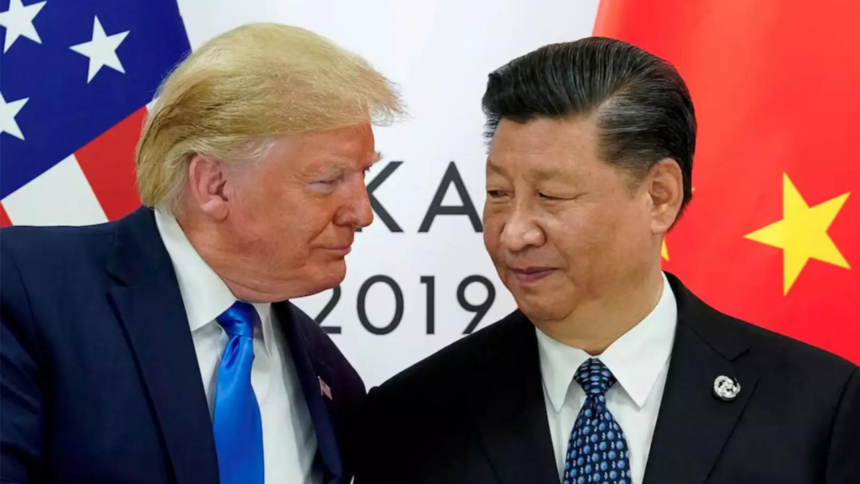
The fragile relationship between the United States and China has taken a turn for the worse, with Beijing expressing its strongest opposition yet to the Pentagon’s recent decision to label several of its top companies as having ties to the Chinese military. The move, which added BYD, Alibaba, and Baidu to a list of firms allegedly working with the People’s Liberation Army, has sparked a firestorm of controversy in China, with officials arguing that it undermines the understandings reached during last month’s highly anticipated summit between US President Donald Trump and Chinese President Xi Jinping.
China’s Reactions to the Pentagon’s List
Beijing has made it clear that it will not take this move lying down, with officials swiftly condemning the Pentagon’s decision and vowing to take action to protect its companies. The Chinese government has long been sensitive to allegations of military ties with its corporate sector, and the inclusion of BYD, Alibaba, and Baidu on the Pentagon’s list has sparked widespread outrage among Chinese citizens. Analysts predict that this move will only serve to further strain the already-tense relationship between the two nations, with some even speculating that it could potentially derail future trade talks between the two.
While the Pentagon’s decision has sparked an uproar in China, it’s not entirely clear what this means for the companies involved. BYD, Alibaba, and Baidu have all denied any ties to the Chinese military, and many experts believe that the Pentagon’s list is based on thin evidence. Nevertheless, the impact on these companies could be significant, with some analysts predicting that it could lead to increased scrutiny and potentially even sanctions. For their part, the companies involved are remaining tight-lipped about the situation, with BYD stating only that it is ‘confident’ in its business practices, while Alibaba and Baidu have declined to comment altogether.
The Impact on US-China Relations
The Pentagon’s decision has also sparked concerns about the broader impact on US-China relations. The summit between Trump and Xi last month was seen as a major breakthrough, with both leaders agreeing to work together on a range of issues, including trade, security, and climate change. However, with the Pentagon’s decision, it’s clear that there are still significant challenges to be overcome. Analysts warn that this move could potentially derail future trade talks between the two nations, and even lead to increased tensions in the region. For its part, the Pentagon has maintained that its decision was necessary to ensure national security, but many experts believe that it’s a move that will ultimately do more harm than good.
As the situation continues to unfold, one thing is clear: the fragile relationship between the United States and China is on shaky ground. The Pentagon’s decision to label BYD, Alibaba, and Baidu as having ties to the Chinese military has sparked a firestorm of controversy, and it’s unclear what the long-term consequences will be. One thing is certain, however: this move will only serve to further strain the relationship between the two nations, and potentially even derail future trade talks between the two.
The Future of US-China Relations
As the situation continues to unfold, it’s clear that the future of US-China relations is more uncertain than ever. Analysts warn that the Pentagon’s decision could potentially lead to increased tensions in the region, and even derail future trade talks between the two nations. For its part, the US government has maintained that its decision was necessary to ensure national security, but many experts believe that it’s a move that will ultimately do more harm than good. As the situation continues to evolve, one thing is clear: the relationship between the United States and China is on shaky ground, and it’s unclear what the future holds for these two global superpowers.
In the end, it’s clear that the Pentagon’s decision to label BYD, Alibaba, and Baidu as having ties to the Chinese military is a move that will have far-reaching consequences for both nations. While the US government may see this as a necessary step to ensure national security, many experts believe that it’s a move that will ultimately do more harm than good. As the situation continues to unfold, one thing is clear: the future of US-China relations is more uncertain than ever, and it’s unclear what the long-term consequences will be.