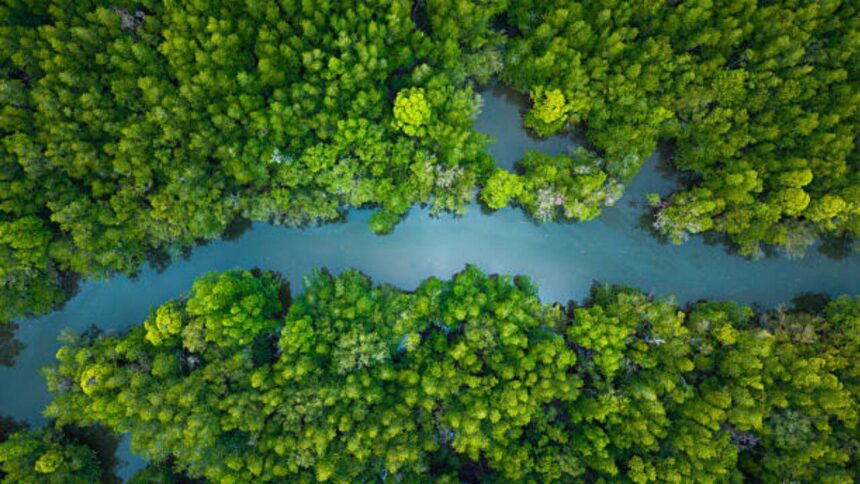
The southeast coast of China, once a thriving habitat for mangroves, witnessed a drastic decline in the 20th century. By the 2000s, more than half of its mangrove forests had vanished, leaving behind a barren landscape devoid of the vital ecosystem services these trees provide. The alarming rate of deforestation and lack of conservation efforts had raised concerns among scientists and policymakers, sparking a nationwide initiative to restore the country’s mangrove forests.
Conservation Efforts Take Root
Over the past two decades, China has made significant strides in restoring its mangrove forests. Led by the government’s efforts, a collaborative approach involving researchers, local communities, and private organizations has been instrumental in reviving the ecosystem. The restoration initiatives have focused on replanting native species, creating artificial reefs, and implementing sustainable fishing practices that allow the mangroves to flourish. The provinces of Hainan, Guangdong, Guangxi, Fujian, and Taiwan have been at the forefront of this movement, with Hainan taking the lead in mangrove restoration efforts.
The Chinese government has set ambitious targets to expand the country’s mangrove coverage, with a focus on protecting critical habitats and promoting eco-tourism. The restoration of 22,500 hectares of mangroves since the 2000s is a testament to the country’s commitment to preserving its natural resources. This remarkable achievement has not only helped to revive the mangrove ecosystem but has also created jobs and income opportunities for local communities. The success of China’s mangrove restoration efforts has also inspired other countries to adopt similar strategies, highlighting the importance of collaborative conservation initiatives.
Mangrove Forests: A Crucial Component of Coastal Ecosystems
Mangrove forests play a vital role in maintaining the delicate balance of coastal ecosystems. These trees provide a natural barrier against storms, tsunamis, and sea-level rise, protecting coastal communities from the devastating effects of these natural disasters. Mangroves also support an incredible array of marine life, serving as a nursery for juvenile fish, shelter for endangered species, and a source of food for local communities. The loss of mangrove forests would not only have severe environmental consequences but would also impact the livelihoods of people dependent on the ecosystem.
Furthermore, mangrove forests act as carbon sinks, absorbing and storing carbon dioxide from the atmosphere. This natural process helps to mitigate the effects of climate change, making mangrove forests an essential component of global efforts to combat climate change. The restoration of China’s mangrove forests is, therefore, not only a conservation success story but also a beacon of hope for global climate action.
The Power of Collaboration and Conservation
The story of China’s mangrove revival is a powerful reminder of the impact of collective action in conservation efforts. By working together, governments, researchers, local communities, and private organizations can achieve remarkable results in restoring degraded ecosystems. The Chinese government’s commitment to mangrove conservation has set a precedent for other countries to follow, demonstrating the importance of collaborative efforts in protecting our planet’s natural resources.
As the world continues to grapple with the challenges of climate change, biodiversity loss, and ecosystem degradation, China’s mangrove restoration efforts serve as a shining example of what can be achieved through sustained conservation efforts. This remarkable story of resilience and cooperation inspires us to continue working towards a future where our planet’s natural wonders are preserved for generations to come.
With its mangrove forests restored, China is embarking on a new chapter in its conservation journey. As the country continues to grow and develop, it is crucial that it remains committed to protecting its natural resources, ensuring that the lessons learned from its mangrove revival are applied to other ecosystems across the country.