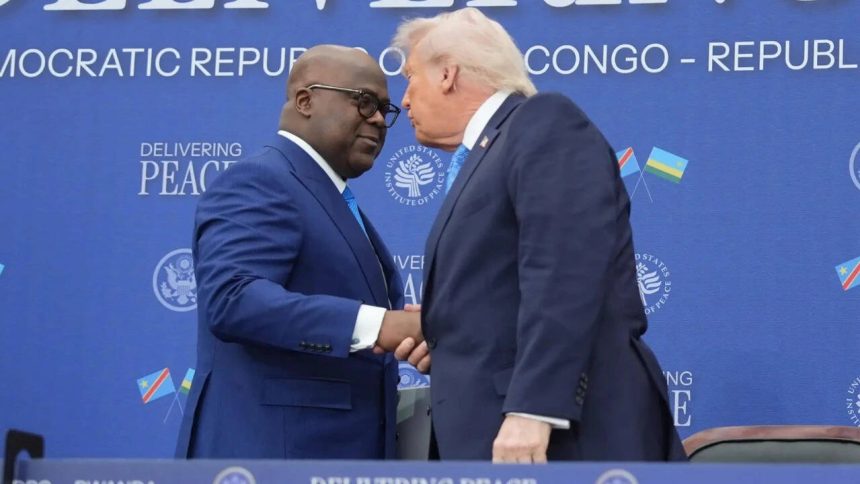
The Democratic Republic of Congo is set to become an unlikely safe haven for third-country nationals deported from the United States, under a new agreement signed with the Trump administration. From April, the African nation will begin accepting citizens from countries such as Haiti, El Salvador, and Nicaragua, who have been ordered to leave the US. This move marks a significant shift in the global migration landscape, as Congo emerges as a destination of last resort for those struggling to find a place to call home.
Roots of the Agreement
The agreement, reached after months of negotiations, aims to ease pressure on the US immigration system and allow the country to focus on deporting nationals from countries deemed a threat to national security. The Trump administration has long been vocal about its stance on immigration reform, and this latest development is seen as a key component in the president’s broader efforts to strengthen border control. Meanwhile, Congo’s government sees the deal as an opportunity to boost its economy, which has struggled in recent years due to conflict, corruption, and other challenges.
Under the terms of the agreement, deportees will be provided with temporary residence permits, allowing them to work and live in Congo for up to two years. They will also be entitled to access basic services such as healthcare and education, although the specifics of these provisions remain unclear. Human rights groups have expressed concerns about the treatment of deportees, citing reports of violence and intimidation against migrants in the past.
Challenges Ahead
While the agreement may provide a lifeline for some deportees, it also poses significant challenges for Congo’s government. The country’s infrastructure, economy, and social services are stretched to the limit, and the influx of new arrivals will put additional pressure on already-strained resources. Moreover, the agreement has been met with skepticism by some observers, who point to Congo’s troubled history of human rights abuses and its reputation as a haven for human traffickers.
The international community is watching the situation closely, with many questioning the wisdom of deporting people to a country that is itself struggling to provide for its own citizens. The US has a long history of deporting nationals to countries that may not be equipped to handle the influx, and critics argue that this latest agreement is a prime example of such a policy.
A New Era for Congo?
As Congo prepares to welcome its first deportees, many are wondering what this development will mean for the country’s future. Will the influx of new arrivals bring economic benefits and stimulate growth, or will it exacerbate existing social and economic challenges? Only time will tell, but one thing is certain: the Democratic Republic of Congo is about to take on a new role in the global migration landscape, one that will have far-reaching consequences for its citizens, its economy, and its international reputation.
The agreement with the US marks a significant turning point for Congo, and it remains to be seen whether the country is ready to take on this new responsibility. As the first deportees arrive, Congo’s government will face a daunting challenge: to provide a safe and welcoming environment for its new arrivals, and to ensure that they are treated with the dignity and respect they deserve.