India witnessed a day of intense controversy and confrontation, with various high-profile issues dominating the headlines. The nation was gripped by a sense of outrage and concern as key figures in the country’s politics were at the center of swirling debates and allegations. From allegations of a cover-up in the death of a young woman to warnings against the practice of namaz on public roads, the day was marked by a sense of urgency and a call for action.
Allegations of a Cover-Up in Twisha Sharma’s Death
The family of Twisha Sharma, a 22-year-old woman who died under mysterious circumstances in a Lucknow hospital, has called for a fresh autopsy amid allegations of a cover-up. The family’s demand for a thorough investigation and an autopsy has sparked widespread outrage, with many questioning the initial findings and the actions of the hospital authorities. The incident has raised questions about the handling of sensitive cases and the need for transparency in such situations.
As the family continues to seek justice for their loved one, the authorities are under pressure to provide a clear explanation for the circumstances surrounding Twisha’s death. The controversy has also highlighted the need for a robust system for investigating sensitive cases and ensuring accountability within the healthcare sector.
Yogi Adityanath’s Warning on Namaz on Public Roads
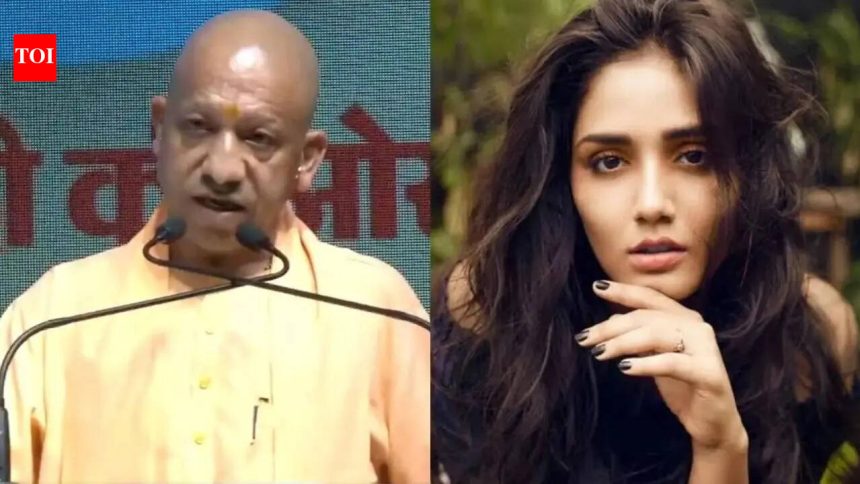
Uttar Pradesh Chief Minister Yogi Adityanath has warned against the practice of namaz on public roads, sparking a heated debate on the issue. The Chief Minister’s warning was seen as an attempt to assert his government’s stance on the matter, with many viewing it as a bid to appease hardline Hindu groups. The controversy has also raised questions about the limits of freedom of worship in a democratic society.
The issue has been a contentious one in India, with various groups and individuals holding differing views on the matter. While some argue that namaz on public roads is a threat to public order and safety, others see it as a legitimate exercise of the right to freedom of worship. The debate is likely to continue, with the government facing pressure to clarify its stance on the issue.
Other Developments in Indian Politics
In other news, the Suvendu Adhikari-led government in West Bengal has ended all religion-based schemes, a move that has been welcomed by many as a step towards inclusivity and secularism. The decision is seen as a significant departure from the previous government’s policies, which were widely criticized for promoting a particular religion.
Meanwhile, India continues to purchase Russian crude oil despite US sanctions, a move that has been criticized by many as a violation of international norms. The purchase of Russian oil is seen as a strategic move by the government, which has been looking to diversify its energy sources in the face of rising global tensions. However, the move has also raised questions about the implications for India’s diplomatic relations with the US and other Western countries.
Iran has announced the establishment of a new authority for managing the Strait of Hormuz, a key waterway that connects the Persian Gulf to the Gulf of Oman. The move is seen as a bid to assert control over the strategic waterway and to boost Iran’s influence in the region.
As the day came to a close, India was left to grapple with the complexities and challenges of its turbulent politics. The controversies and confrontations that dominated the headlines served as a reminder of the country’s ongoing struggles with issues of inclusivity, transparency, and accountability. As the nation looks to the future, it is clear that these issues will continue to shape the course of Indian politics for years to come.