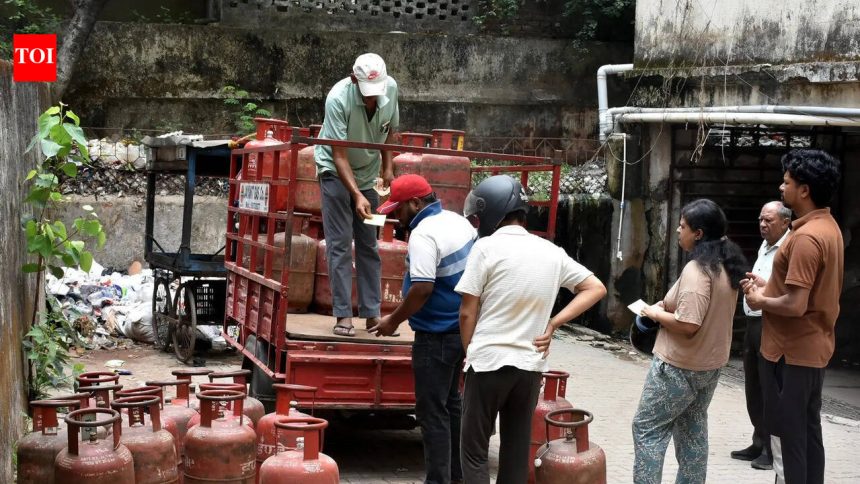
The rising cost of living in Ranchi has taken a significant toll on many city households, with the latest culprit being the increasing price of LPG. For the average citizen, managing the monthly budget has become an exercise in juggling competing priorities, and the latest price hike has only made things more challenging. The cost of cooking gas, already a major expense for many families, has now surpassed the Rs 1,000 mark, leaving households to wonder how they will make ends meet.
Impact on Low-Income Families
Low-income families, who already struggle to make ends meet, are perhaps the hardest hit by the LPG price hike. For them, the cost of cooking gas is a significant proportion of their monthly expenses, and any increase in price has a direct impact on their ability to afford other essential items. Many families have had to make difficult choices, such as cutting back on other necessities like healthcare or education, in order to continue buying cooking gas.
According to data from the state government, the majority of households in Ranchi spend over 50% of their income on essential items like cooking gas, electricity, and housing. The LPG price hike has only added to their woes, making it even harder for them to make ends meet. In some cases, families have had to resort to using alternative cooking methods, such as charcoal or firewood, which not only pose health risks but also contribute to air pollution.
Ripple Effect on Food Security
The impact of the LPG price hike is not limited to household budgets alone. The increasing cost of cooking gas has also had a ripple effect on food security, with many families struggling to afford nutritious meals. The cost of food items, already high due to supply chain disruptions and other factors, has further increased due to the rise in cooking gas prices. This has led to a situation where many families are forced to compromise on the quality of food they eat, with some even having to rely on inferior or unwholesome alternatives.
Experts warn that the LPG price hike could have long-term consequences for the health and well-being of citizens, particularly in low-income households. Malnutrition, a growing concern in many parts of the country, is likely to worsen as families struggle to afford nutritious food. The government, which has been promoting healthy eating habits through various initiatives, may need to reassess its strategies in light of the rising cost of cooking gas.
Government Response and Way Forward
The state government has acknowledged the impact of the LPG price hike on households and has taken steps to mitigate the effects. Subsidies have been increased for low-income families, and efforts are being made to promote alternative cooking methods. However, more needs to be done to address the root causes of the issue and provide relief to affected households.
The government must consider a range of options, including increasing the production of cooking gas, promoting energy-efficient appliances, and providing subsidies to low-income families. It is also essential to address the underlying issues driving the price hike, such as supply chain disruptions and global market fluctuations. By taking a comprehensive approach, the government can help ease the burden on households and ensure that everyone has access to affordable and nutritious food.
As the situation continues to unfold, it is clear that the LPG price hike is just one symptom of a larger problem – a problem that requires a coordinated response from the government, civil society, and individuals. By working together, we can find solutions that benefit everyone and ensure that no one is left behind in the pursuit of a more equitable and just society.