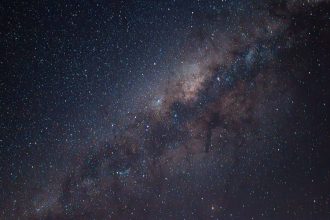
The night sky is set to come alive tonight as the Lyrid meteor shower reaches its peak, promising a spectacular display of fireballs and shooting stars. The Lyrids are among the oldest recorded meteor showers, with a rich history spanning over 2,500 years. This annual event has been a source of fascination for astronomers and sky gazers alike, and this year’s shower is expected to be particularly active, with predictions of up to 20 meteors per hour. The UK is perfectly positioned to witness this celestial spectacle, with the shower’s peak coinciding with a new moon, ensuring optimal viewing conditions.
What are the Lyrids?
The Lyrid meteor shower is caused by the Earth passing through the trail of debris left behind by the Comet Thatcher, which was discovered in 1861. As the Earth encounters these tiny particles, they enter our atmosphere and burn up, producing the bright streaks of light we see as meteors. The Lyrids are known for producing some of the brightest and most spectacular meteors, with many being classified as fireballs, which are meteors that are significantly brighter than average. This year’s shower is expected to be particularly active, with the Earth passing through a dense region of the comet’s debris trail.
The Lyrids have a long and storied history, with records of the shower dating back to ancient China. The shower was first recorded in 687 BC, and has been observed by astronomers and sky gazers ever since. The Lyrids are one of the most reliable and consistent meteor showers, with a peak that occurs every year on the same dates. This consistency has made the Lyrids a popular target for astronomers, who use the shower to study the composition and structure of comets.
Peak Viewing Time and Visibility
The Lyrid meteor shower is expected to reach its peak tonight, with the best viewing times between midnight and 4 am. During this time, the shower’s radiant point, which is the point in the sky from which the meteors appear to originate, will be high in the sky, making it easier to spot the meteors. The UK is well-positioned to witness the shower, with the country’s northern latitude providing an ideal viewing location. The shower will be visible from anywhere in the UK, although those in rural areas with minimal light pollution will have the best views.
To maximize your chances of seeing the Lyrids, find a dark location with an unobstructed view of the sky. Dress warmly and bring a blanket or chair to make your viewing experience more comfortable. It’s also a good idea to give your eyes time to adjust to the dark, as this will allow you to see fainter meteors. With clear skies and a bit of luck, you could be treated to a spectacular display of shooting stars and fireballs.
Conclusion of the Spectacle
As the night wears on and the Lyrid meteor shower reaches its peak, the UK will be treated to a truly cosmic spectacle. With its rich history, consistent peak, and promise of spectacular fireballs, the Lyrids are an event not to be missed. Whether you’re an experienced astronomer or just a casual sky gazer, the Lyrid meteor shower is a reminder of the awe-inspiring beauty of the night sky. So grab a blanket, head outside, and get ready to witness one of the most spectacular meteor showers of the year. The Lyrids will continue to be active until the end of the month, although the numbers will gradually decrease as the Earth moves away from the comet’s debris trail.
The Lyrid meteor shower is a reminder of the importance of astronomy and the study of the night sky. By understanding the composition and structure of comets, astronomers can gain insights into the formation and evolution of our solar system. The Lyrids are also a reminder of the beauty and wonder of the natural world, and the importance of preserving our ability to see the night sky in all its glory. As the world becomes increasingly urbanized, it’s events like the Lyrid meteor shower that remind us of the importance of protecting our dark skies and preserving our ability to experience the beauty of the night sky.