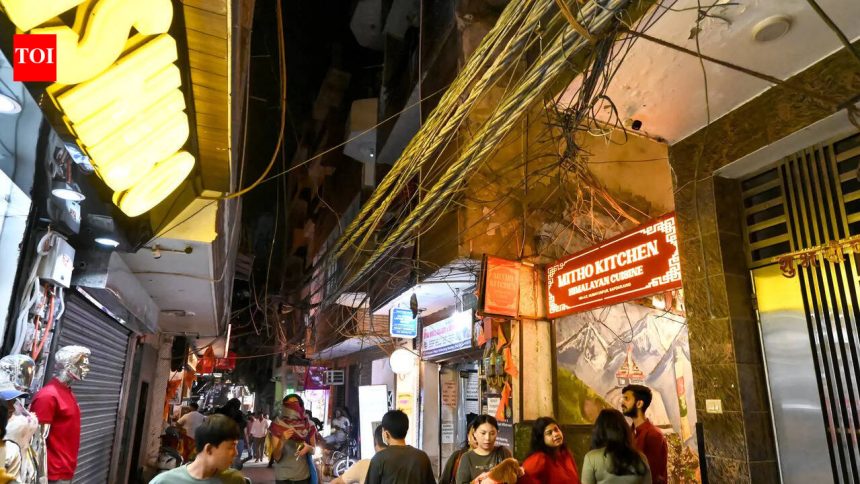
The recent tragedies that struck Delhi, claiming multiple lives, have once again highlighted the often-overlooked crisis of urban villages in the national capital. Two incidents, in particular, have sent shockwaves through the city: a building collapse in Saket and a fire at a bed and breakfast in Malviya Nagar, resulting in the loss of 21 precious lives. While these incidents may have seemed like isolated accidents to many, they are, in fact, symptoms of a deeper problem – the neglect and lack of planning in Delhi’s urban villages.
Unregulated Growth and Neglect
Delhi’s urban villages, such as Saket and Malviya Nagar, have undergone rapid transformations over the years, driven by the city’s ever-increasing demand for housing and commercial spaces. However, this growth has been largely unregulated, with builders and property owners often disregarding safety norms and building codes. The result is a plethora of unauthorized constructions, including residential buildings, commercial complexes, and hotels, which pose a significant threat to the lives of occupants and nearby residents.
The lack of effective governance and enforcement in these areas has created an environment where such unauthorized constructions can thrive. Local authorities, including municipal corporations and urban development agencies, have failed to keep pace with the rapid growth of these urban villages, leaving them without adequate infrastructure, including roads, water supply, and sewage systems. This has not only led to the proliferation of hazardous constructions but also created an environment conducive to fires, building collapses, and other disasters.
Safety Concerns and Regulatory Failures
The fire at the bed and breakfast in Malviya Nagar, which resulted in the loss of 21 lives, is a stark reminder of the safety concerns that plague Delhi’s urban villages. The incident highlighted the absence of basic fire safety measures, including functional fire extinguishers, smoke detectors, and emergency exits. Similarly, the building collapse in Saket raised questions about the structural integrity of constructions in these areas, with many buildings lacking proper foundations, beams, and other essential safety features.
The regulatory failures that have contributed to these tragedies are multifaceted. While the Delhi Municipal Corporation and other local authorities are responsible for ensuring compliance with building codes and safety norms, they have failed to do so effectively. The lack of coordination between different government agencies, including the fire department, police, and urban development authorities, has also hindered efforts to address these safety concerns and prevent such tragedies.
Way Forward and Urban Planning Reforms
To address the crisis in Delhi’s urban villages, it is essential to adopt a comprehensive approach that involves multiple stakeholders, including government agencies, residents, and private developers. The city needs a robust urban planning framework that takes into account the unique challenges and requirements of these areas. This includes implementing and enforcing strict building codes, safety norms, and zoning regulations, as well as investing in basic infrastructure, such as roads, water supply, and sewage systems.
A key aspect of this approach is the need for community engagement and participation in the planning and development process. Residents, local businesses, and community organizations must be involved in decision-making to ensure that the needs and concerns of these areas are addressed. Additionally, the city must prioritize the redevelopment of existing unauthorized constructions, incorporating safety features and amenities that meet modern standards. By adopting such a holistic approach, Delhi can mitigate the risks associated with its urban villages and create safer, more sustainable, and livable environments for its residents.
The recent tragedies in Delhi’s urban villages serve as a wake-up call for the city’s authorities and residents. It is time to acknowledge the hidden dangers that lurk in these areas and work towards creating a safer, more planned, and more sustainable urban environment. The city’s future depends on it, and the lives of its residents demand nothing less.