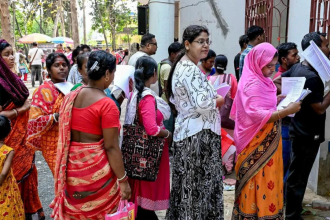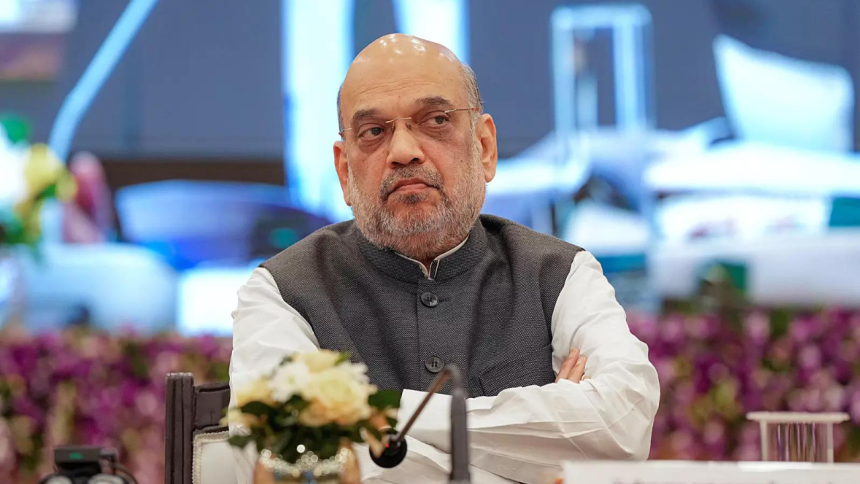
The Indian government has taken a significant step towards understanding the demographic changes sweeping the nation, as a high-level committee formed just a month ago has finalized a comprehensive questionnaire to gather vital information from states and union territories. This move is expected to shed light on the country’s evolving demographic landscape, which has significant implications for policy-making, resource allocation, and social development. With the committee hitting the ground running, the nation is poised to gain a deeper understanding of the factors driving these changes and their impact on various aspects of Indian society.
Understanding Demographic Changes
The committee’s questionnaire is designed to elicit detailed information from states and union territories on a range of demographic parameters, including population growth rates, urbanization trends, migration patterns, and age structures. By analyzing this data, the committee aims to identify areas of concern, such as imbalances in population distribution, and opportunities for growth, like the increasing youth population. This exercise will enable policymakers to develop targeted interventions and strategies to address the challenges and harness the potential of India’s demographic dividend.
The committee’s efforts are particularly significant in the context of India’s rapid urbanization, which is transforming the country’s social, economic, and cultural fabric. As people move from rural to urban areas in search of better opportunities, cities are facing unprecedented pressures on infrastructure, services, and resources. By understanding the dynamics of urbanization, the committee can provide valuable insights for urban planning, service delivery, and social welfare programs, ultimately contributing to the creation of more sustainable, livable, and inclusive cities.
Implications for Policy-Making
The information gathered by the committee will have far-reaching implications for policy-making at the national, state, and local levels. By examining demographic trends and patterns, policymakers can develop more effective strategies for addressing pressing issues like education, healthcare, employment, and social security. For instance, data on population growth rates and age structures can inform decisions on investments in education and healthcare infrastructure, while insights into migration patterns can help design programs for migrant workers and their families.
Moreover, the committee’s findings will be crucial for the development of evidence-based policies that cater to the diverse needs of different demographic groups. By analyzing the experiences and challenges of various populations, including women, children, and marginalized communities, policymakers can create more inclusive and equitable policies that promote social justice and equality. This, in turn, will contribute to the realization of India’s vision of a more prosperous, just, and equitable society.
Way Forward
As the committee begins to receive responses from states and union territories, it will be essential to ensure that the data is analyzed rigorously and translated into actionable recommendations. The committee’s report is expected to provide a comprehensive roadmap for addressing demographic challenges and leveraging opportunities, which will require careful consideration and implementation by policymakers, administrators, and other stakeholders. Ultimately, the success of this exercise will depend on the ability of the government and other actors to work together to develop and implement effective strategies for managing demographic change and promoting sustainable development.
The committee’s initiative marks an important step towards building a more demographic-sensitive and responsive governance system in India. As the nation continues to evolve and grow, it is essential to stay ahead of the curve and anticipate the challenges and opportunities that demographic changes will bring. By doing so, India can unlock its full potential and create a brighter future for all its citizens, harnessing the power of its demographic dividend to drive prosperity, equality, and social justice.