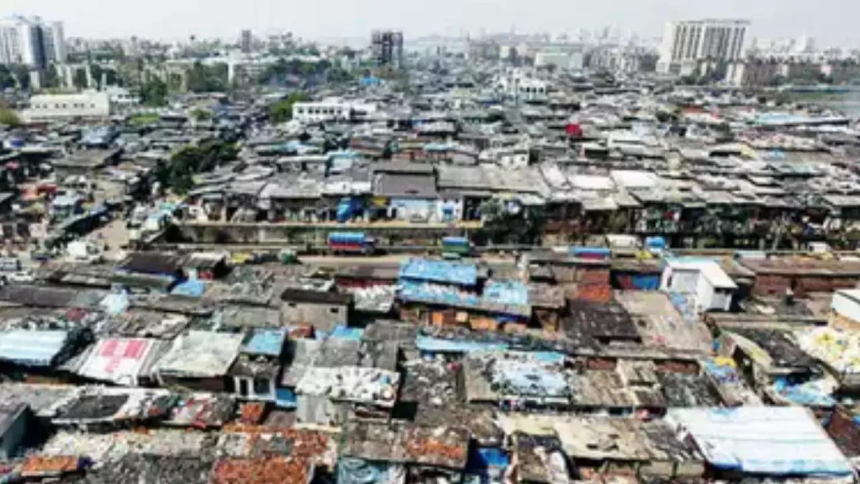
The slum of Dharavi, located in the heart of Mumbai, has been touted as one of India’s most ambitious urban renewal projects in recent times. The proposed redevelopment of this sprawling slum, which is home to over 800,000 people, has sparked a plethora of emotions among locals, policymakers, and real estate analysts alike. While some see it as a much-needed opportunity to revitalize the area and provide better living conditions for its residents, others believe it will displace long-time residents and small businesses, leaving them with little to no alternative.
Redevelopment Challenges: A Complex Web of Interests
The Dharavi redevelopment project, estimated to be worth over $1 billion, is a behemoth of a task that involves not just the physical infrastructure of the slum but also the complex social dynamics of its residents. The redevelopment plan includes the construction of new buildings, roads, and amenities, as well as the relocation of existing residents to new housing units. However, analysts point out that the project’s execution is fraught with challenges, including the need to balance the interests of various stakeholders, from developers to residents to local businesses.
One of the primary concerns is the risk of gentrification, where the influx of new investments and infrastructure drives up property prices and displaces long-time residents who cannot afford to stay in the area. This fear is compounded by the fact that the redevelopment plan has been criticized for being overly ambitious, with some critics arguing that it prioritizes the interests of developers over those of the residents.
The Role of Technology in the Redevelopment Process
Despite the challenges, some experts believe that technology can play a crucial role in streamlining the redevelopment process and making it more inclusive and sustainable. For instance, the use of digital platforms can help facilitate communication between residents, developers, and local authorities, ensuring that everyone is on the same page and that the needs of all stakeholders are taken into account.
Additionally, the adoption of smart city technologies, such as energy-efficient buildings and waste management systems, can help create a more sustainable and livable environment for Dharavi’s residents. However, the successful implementation of these technologies will require careful planning, coordination, and community engagement.
A Community-Led Approach to Redevelopment
As the Dharavi redevelopment project enters its next phase, experts emphasize the need for a community-led approach to ensure that the interests of all stakeholders are taken into account. This involves not just involving residents in the decision-making process but also ensuring that they have a stake in the redevelopment of their own community.
By empowering residents and local businesses to take ownership of the redevelopment process, policymakers can create a more inclusive and sustainable urban renewal project that benefits not just the residents of Dharavi but also the broader community.
The redevelopment of Dharavi is a complex and multifaceted challenge that requires a thoughtful and inclusive approach. While the project has the potential to revitalize the area and provide better living conditions for its residents, it also risks displacing long-time residents and small businesses. By recognizing the complex web of interests at play, policymakers can create a redevelopment plan that balances the needs of all stakeholders and creates a more sustainable and livable environment for Dharavi’s residents.