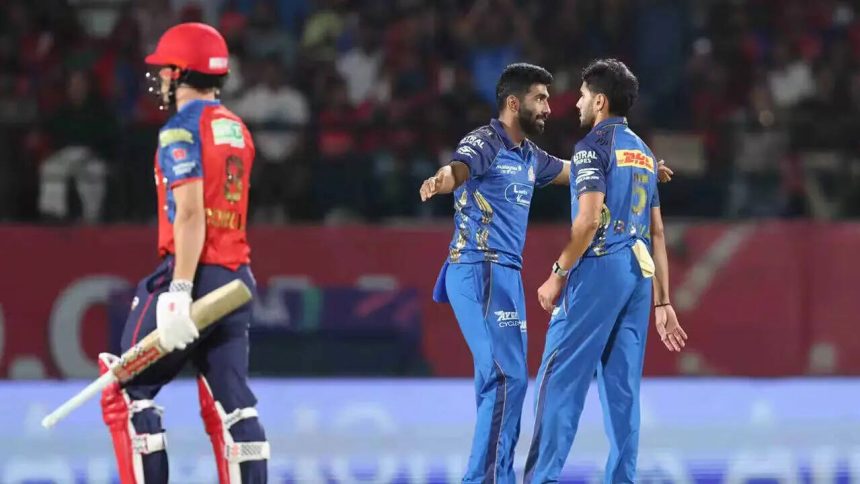
The Indian Premier League has once again found itself at the center of a heated debate, this time surrounding the Decision Review System (DRS) after a dramatic finale to the Punjab Kings and Mumbai Indians match in Dharamsala. The contest, which saw the Punjab Kings emerge victorious by a narrow margin, was marred by controversy on the final ball when a caught-behind appeal against the Mumbai Indians’ batter was turned down, only for the replay to suggest otherwise. Ravichandran Ashwin, never one to mince his words, slammed the current DRS rules, emphasizing the need for an immediate overhaul to prevent such incidents from deciding the outcome of matches.
Understanding the DRS Controversy
The DRS system, designed to reduce errors in umpiring decisions, has been a subject of discussion since its introduction. While it has helped in correcting several mistakes, its limitations and the strict protocols surrounding its use have often led to frustration among players and fans alike. The incident involving the Mumbai Indians and Punjab Kings brought to light the issue of time constraints within which a team must decide to review an umpire’s decision. With only a few seconds to react, teams often find themselves under immense pressure, which can lead to incorrect decisions. Ashwin’s call for reform highlights the need to reassess these time constraints to ensure that teams have sufficient time to make informed decisions.
The implications of such incidents are not just limited to the outcome of a single match but can have a broader impact on the tournament standings. A wrong decision can potentially derail a team’s campaign, affecting not just the players but also the morale of the fans who invest their emotions and expectations in their favorite teams. Therefore, it is crucial that the governing bodies take Ashwin’s plea seriously and engage in a thorough review of the DRS system to identify areas that require improvement.
The Role of Technology in Cricket
Technology has been a significant factor in enhancing the viewer experience in cricket, from the use of slow-motion replays to the implementation of advanced systems like the Hawk-Eye. However, the integration of technology into the game must be balanced with the need to maintain the human element of umpiring. While technology can reduce errors, it is not foolproof, and there have been instances where the technology has been misleading or incorrect. Therefore, any reforms to the DRS system must consider how to effectively utilize technology without undermining the role of the umpires.
The feedback from players, both current and retired, has been invaluable in shaping the rules of the game. Their insights, born out of experience and a deep understanding of the game, can provide critical perspectives on what works and what doesn’t. Ashwin’s vocal criticism of the current DRS rules is a testament to the active engagement of players in the continuous improvement of the game. By listening to these voices and incorporating their feedback, cricket can evolve in a way that is fair, exciting, and respectful of its traditions.
A Path Forward for DRS Reform
Reforming the DRS system is not a straightforward task. It requires a careful analysis of the current rules, consideration of alternative approaches, and a thorough discussion among stakeholders, including players, umpires, and governing bodies. One potential solution could be to increase the time allowed for reviewing decisions or to introduce an additional review option for critical moments in the game, such as the final over. Moreover, investing in education and training for umpires on the effective use of technology could also mitigate some of the issues currently plaguing the DRS system.
As the debate surrounding the DRS continues, one thing is clear: the status quo is no longer acceptable. The call for change is not just about fixing a specific rule but about ensuring that the game of cricket remains a contest of skill, strategy, and sportsmanship. With the voice of experienced players like Ashwin leading the charge, there is hope that meaningful reforms will be implemented sooner rather than later, paving the way for a more equitable and enjoyable game for all involved.