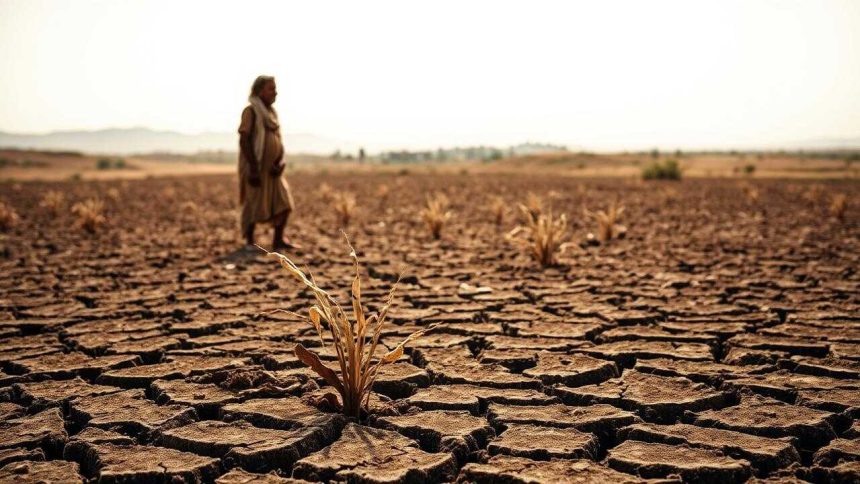
The Indian government has sounded the alarm on the impending El Niño event, identifying 197 districts across the country as the most vulnerable to its impact. This move comes as part of a nationwide effort to prepare for the potential consequences of El Niño on the country’s agriculture, with the Centre readying contingency plans to mitigate any adverse effects. With El Niño predicted to bring below-average rainfall and above-average temperatures, the government is taking proactive steps to ensure the country’s food security and protect its farmers from the potential devastation.
Understanding El Niño and its Impact
El Niño is a complex weather phenomenon characterized by the warming of the Pacific Ocean, which in turn affects global climate patterns. The consequences of El Niño can be far-reaching, with India being particularly susceptible due to its dependence on monsoon rains for agriculture. The 197 districts identified as highly vulnerable are primarily located in the states of Maharashtra, Madhya Pradesh, and Gujarat, which are major agricultural hubs. The government’s contingency plans include measures such as crop insurance, soil moisture conservation, and the promotion of drought-resistant crop varieties.
The impact of El Niño on Indian agriculture cannot be overstated, with the country’s food security and rural economy heavily reliant on a good monsoon. A weak monsoon can lead to crop failures, reduced yields, and decreased farmer incomes, which in turn can have a ripple effect on the entire economy. The government’s proactive approach in identifying vulnerable districts and preparing contingency plans is a step in the right direction, but its success will depend on effective implementation and coordination with state governments and local authorities.
Contingency Planning and Mitigation Strategies
The Centre’s contingency plans include a range of measures aimed at mitigating the impact of El Niño on agriculture. These include the provision of short-term loans to farmers, the promotion of micro-irrigation systems, and the creation of a national buffer stock of foodgrains. The government is also working to strengthen its early warning systems, which will enable it to provide timely advisories to farmers and other stakeholders. Additionally, the government is promoting the use of technology, such as drones and satellite imaging, to monitor crop health and provide real-time data to farmers.
The role of state governments and local authorities will be crucial in the effective implementation of the contingency plans. They will need to work closely with the Centre to ensure that the plans are tailored to the specific needs of each district and that the necessary resources are allocated. The government will also need to engage with farmers and other stakeholders to raise awareness about the potential impact of El Niño and the measures being taken to mitigate its effects. This will be critical in building trust and ensuring that farmers are prepared to take the necessary steps to protect their crops and livelihoods.
Way Forward and Long-Term Solutions
The current El Niño event is a wake-up call for the Indian government to invest in long-term solutions to mitigate the impact of climate change on agriculture. This includes investing in climate-resilient agriculture, promoting sustainable farming practices, and strengthening the country’s agricultural research and development capabilities. The government will also need to work towards improving the country’s water management systems, which will be critical in mitigating the impact of droughts and other extreme weather events.
The Indian government’s efforts to prepare for the impact of El Niño are a step in the right direction, but the country’s vulnerability to climate change will require a sustained and long-term effort. As the country moves forward, it will be critical to build on the current contingency plans and work towards creating a more resilient and sustainable agricultural system. This will require a coordinated effort from the government, farmers, and other stakeholders, but the potential rewards will be well worth it – a food-secure India that is able to withstand the challenges of a changing climate.