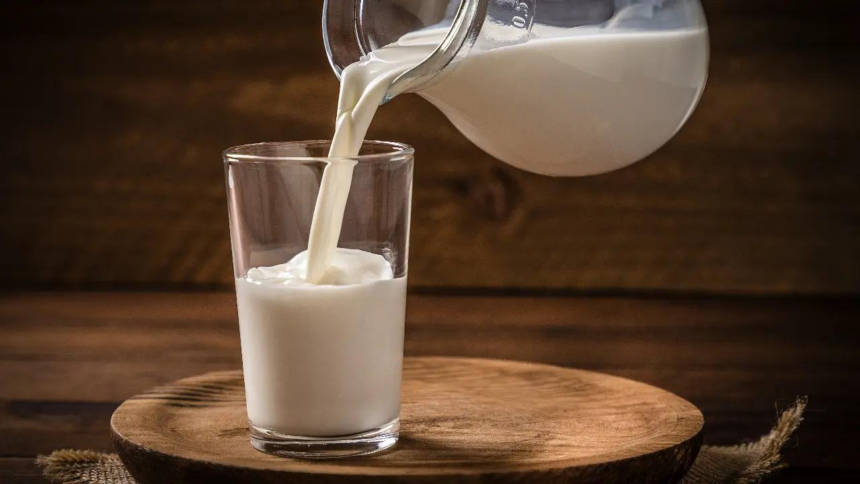
The specter of El Niño is looming large over the dairy industry, with milk prices likely to rise again by July or August if the weather phenomenon and a deficient monsoon worsen fodder shortages and impact milk production. Dairy industry executives are already bracing for the worst, having raised milk prices by 2-3 per cent in May. The price hike was a direct result of increased production costs, primarily driven by higher fodder prices. With El Niño threatening to disrupt the already fragile fodder supply chain, consumers may have to shell out even more for their daily dose of milk and dairy products.
Impact on Fodder Supply
The impending El Niño is expected to lead to a shortage of fodder, which is a critical component in the production of milk. Dairy farmers rely heavily on high-quality fodder to feed their cattle, and any disruption in supply can have a direct impact on milk production. The monsoon season, which is crucial for the growth of fodder crops, is expected to be deficient this year, further exacerbating the shortage. As a result, dairy farmers may be forced to rely on expensive imported fodder, which will increase their production costs and ultimately lead to higher milk prices.
The fodder shortage is not just a concern for dairy farmers, but also for the entire dairy industry. With milk production likely to be impacted, dairy companies may struggle to meet the demand for milk and dairy products. This could lead to a shortage of products like butter, cheese, and yogurt, which are staples in many Indian households. The shortage could also have a ripple effect on the entire food industry, with restaurants and cafes being forced to increase prices or alter their menus.
Dairy Industry Preparedness
Dairy industry executives are aware of the impending crisis and are taking steps to mitigate its impact. Many dairy companies are exploring alternative fodder sources, such as imported hay and silage, to reduce their reliance on domestic fodder crops. Others are investing in fodder storage facilities to stockpile fodder for the lean months. However, these measures may not be enough to offset the impact of a severe El Niño event.
The dairy industry is also urging the government to take proactive steps to address the fodder shortage. This includes providing subsidies to dairy farmers to import fodder, as well as investing in irrigation systems to improve the yield of fodder crops. The industry is also seeking support to develop more resilient and drought-tolerant fodder crops, which can thrive in adverse weather conditions. By working together, the dairy industry and the government can reduce the impact of the El Niño on milk production and ensure that consumers continue to have access to affordable milk and dairy products.
Consumer Impact
The impending rise in milk prices will have a direct impact on consumers, who are already struggling with high food inflation. The price hike will be particularly felt by low-income households, which spend a significant portion of their income on milk and dairy products. The shortage of dairy products could also lead to a black market, where products are sold at inflated prices, further hurting consumers.
However, consumers can take steps to reduce their reliance on milk and dairy products. This includes exploring alternative sources of nutrition, such as plant-based milk and dairy products. Consumers can also support dairy farmers by buying directly from them, which can help reduce the impact of the price hike. By being aware of the issues facing the dairy industry and taking proactive steps, consumers can mitigate the impact of the El Niño on their wallets and ensure that they continue to have access to nutritious and affordable food.
The specter of El Niño is a stark reminder of the fragility of the dairy industry and the need for sustainable and resilient food systems. As the industry braces for the worst, consumers must be prepared to pay more for their milk and dairy products. However, by working together, the dairy industry, the government, and consumers can reduce the impact of the El Niño and ensure that the country’s food security is not compromised. The next few months will be crucial in determining the course of the dairy industry, and all stakeholders must be prepared to adapt to the changing circumstances.