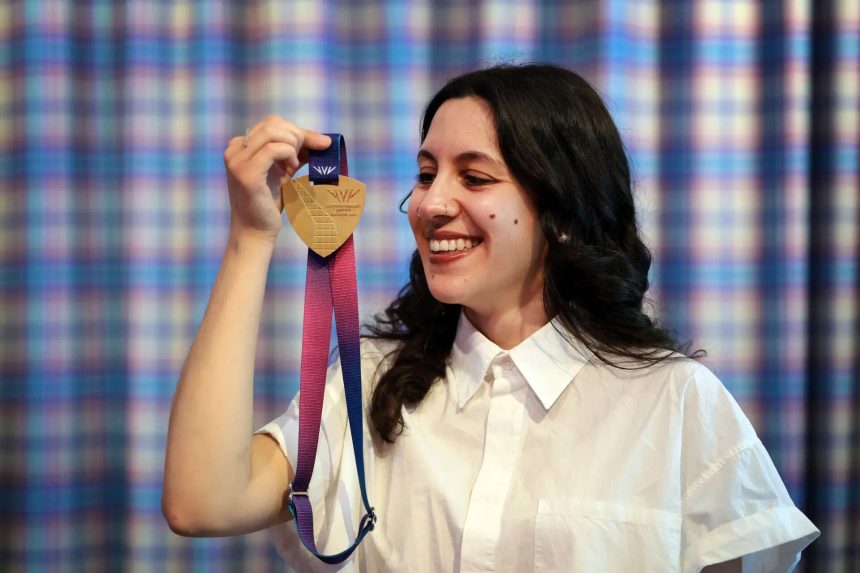
As the Commonwealth Games approach, the city of Glasgow is buzzing with excitement, but this year’s event promises to be a landmark moment for inclusivity. The introduction of braille and tactile elements on medals is set to shatter a significant barrier, ensuring visually impaired athletes can finally experience their achievements in a truly personal way. This groundbreaking innovation is a testament to the Games’ commitment to equity and accessibility, paving the way for a more inclusive future in sports.
Breaking Down Barriers: A History of Inclusivity
The Commonwealth Games has long been at the forefront of promoting diversity and accessibility. From wheelchair-accessible venues to sign language interpretation services, the Games have consistently strived to create an environment where all athletes can participate and shine. However, despite these efforts, visually impaired athletes have often been left behind, their achievements largely unseen and uncelebrated. The introduction of braille and tactile medals represents a major milestone in addressing this disparity, allowing visually impaired athletes to experience the same sense of pride and accomplishment as their sighted counterparts.
The concept of tactile medals has been years in the making, with a dedicated team working closely with visually impaired athletes to design a medal that is both functional and beautiful. The result is a stunning medallion featuring raised Braille text and intricate tactile design elements, allowing athletes to explore and experience their achievement through touch. This innovative approach not only acknowledges the unique needs of visually impaired athletes but also provides a tangible connection to their hard-won victories.
A New Era of Inclusivity
The introduction of braille and tactile medals marks a significant shift in the Commonwealth Games’ approach to inclusivity. By prioritizing accessibility and equity, the Games are setting a new standard for sports events worldwide. This move is not only a testament to the organization’s commitment to equality but also a powerful reminder of the impact that inclusive design can have on the lives of athletes and spectators alike.
As the Glasgow 2026 Commonwealth Games prepares to kick off, the excitement is palpable. With the braille medal innovation taking center stage, visually impaired athletes will finally have the opportunity to experience the pride and joy of their achievements in a way that was previously unimaginable. This historic moment is a testament to the power of collaboration and innovation, proving that even the smallest changes can have a profound impact on the lives of those who need it most.
Paving the Way for a Brighter Future
The introduction of braille and tactile medals is not only a triumph for visually impaired athletes but also a powerful symbol of the Commonwealth Games’ dedication to inclusivity and accessibility. As the Games continue to push the boundaries of what is possible, it is clear that this is just the beginning of an exciting new chapter in the history of the Commonwealth Games. With a renewed focus on equity and accessibility, the future of sports looks brighter than ever, and it is an honor to be a part of this transformative journey.
As the Commonwealth Games take center stage in Glasgow, the world will be watching with bated breath. But for visually impaired athletes, the real excitement lies not in the grandeur of the event but in the simple, yet profound, experience of holding their own braille medal, feeling the tactile elements, and knowing that their hard work and dedication have been recognized and celebrated in a way that truly matters.
This is not just a moment for visually impaired athletes; it is a moment for every athlete, every spectator, and every member of the Commonwealth community. It is a reminder that inclusivity is not just a nice-to-have, but a necessary step towards creating a more equitable and compassionate world.