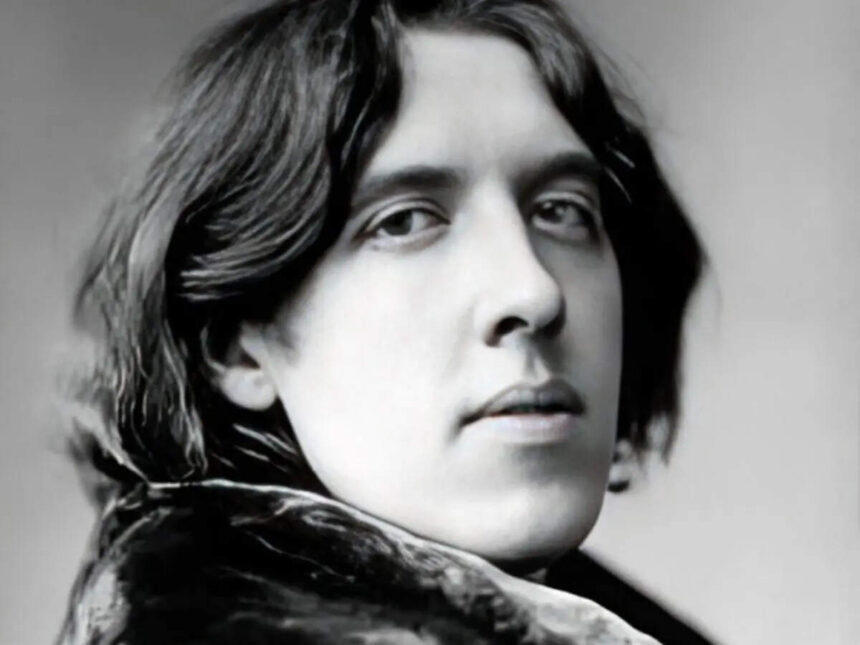
Fashion has long been a staple of human culture, with styles and trends evolving over the centuries to reflect the tastes, values, and technologies of different eras. But despite its enduring presence in our lives, there’s one thing that’s always true about fashion: it’s a never-ending cycle of ugliness. This is the sentiment echoed by the inimitable Oscar Wilde, who famously quipped that ‘Fashion is a form of ugliness so intolerable that we have to alter it every six months.’ Wilde’s wry observation cuts to the heart of the way we approach fashion, and the constant pressure to conform to the latest trends.
The Psychology of Fashion’s Cycle
So why do we feel compelled to keep up with the latest fashion trends, even when they’re objectively ugly? The answer lies in the complex interplay of psychological and social factors that drive our desire for fashion. On one hand, we’re drawn to the sense of identity and belonging that comes with wearing the latest styles. We see our friends and peers wearing the same outfits, and we feel pressure to join in. This is especially true in the world of social media, where influencer culture has created a sense of FOMO (fear of missing out) around the latest fashion must-haves.
On the other hand, our desire for fashion is also driven by a deep-seated need for novelty and excitement. We’re constantly seeking out new experiences and sensations, and fashion provides a way for us to express ourselves and signal to others that we’re open to new ideas and experiences. This is especially true in the world of high fashion, where designers push the boundaries of style and aesthetics to create truly innovative and breathtaking looks.
The Environmental Cost of Fast Fashion
However, the psychological factors that drive our desire for fashion come at a steep environmental cost. The fast fashion industry, which is responsible for producing and distributing the majority of the world’s clothing, is one of the largest polluters on the planet. From the production of synthetic materials to the transportation of goods around the world, the environmental impact of fast fashion is staggering. And yet, despite the growing awareness of these issues, we continue to consume fashion at an alarming rate, with the average American generating 82 pounds of textile waste per year.
So what can we do to break the cycle of ugliness and sustainability that defines the fashion industry? One potential solution lies in the world of sustainable fashion, where designers and brands are working to create clothing that’s both stylish and environmentally friendly. From eco-friendly materials to circular business models, there are many ways to approach fashion in a more sustainable way. But it’s not just about the fashion industry itself – it’s also about our individual choices and behaviors. By being more mindful of our consumption habits and choosing to buy second-hand or sustainable fashion, we can help to create a more sustainable fashion industry that’s better for people and the planet.
A New Era for Fashion
As we move forward into a new era for fashion, it’s time to rethink the way we approach style and sustainability. By embracing the principles of sustainable fashion and making more conscious choices about what we wear, we can break the cycle of ugliness and create a more beautiful, more equitable, and more sustainable fashion industry. It’s a challenge that requires a fundamental shift in the way we think about fashion, but it’s one that’s essential for creating a better future for all of us.
So the next time you’re tempted to buy into the latest fashion trend, take a step back and think about the impact it might have on the planet. Is it worth it? Or is it time to break the mold and create a new era for fashion that’s more beautiful, more sustainable, and more true to who we are?