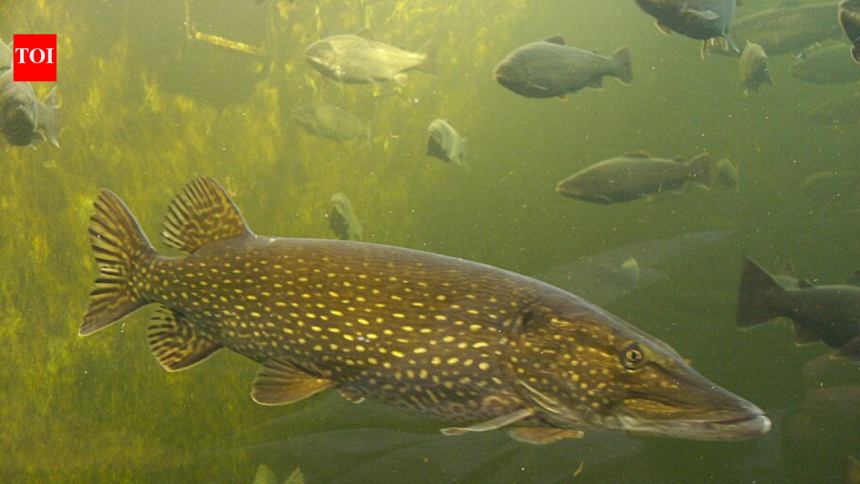
The serene lakes and rivers of Alaska, once a tranquil haven for native fish species, are now facing a growing threat from an unlikely invader: the northern pike. For decades, these fish were just another species in Alaska’s waters, but an illegally introduced population in Southcentral Alaska is now worrying scientists, and climate change may be part of the reason. The story begins in the 1950s, when a group of anglers secretly released northern pike into a lake, unaware of the devastating consequences that would unfold decades later.
The Introduction of a New Species
The introduction of northern pike into Alaskan waters was a deliberate act, but one that was done without the knowledge or consent of local authorities. The anglers who released the pike into the lake did so with the intention of creating a new fishing opportunity, but they failed to consider the potential impact on the native ecosystem. As a result, the pike population thrived, and soon began to spread to other lakes and rivers in the area. The pike’s ability to adapt to new environments and feed on a wide range of prey made them a formidable invasive species, capable of outcompeting native fish for resources and habitat.
At first, the presence of northern pike in Alaskan waters seemed to have little impact on the native ecosystem. However, as the years passed and the pike population continued to grow, scientists began to notice a change. The pike were not only competing with native fish for food and habitat, but they were also preying on them, causing a decline in populations of species such as salmon and trout. This decline had a ripple effect throughout the ecosystem, impacting not only the fish populations but also the birds, bears, and other wildlife that relied on them for food.
Climate Change and the Pike Invasion
Climate change has played a significant role in the spread of northern pike in Alaskan waters. As temperatures rise, the pike are able to survive and thrive in areas that were previously too cold for them. This has allowed them to expand their range and colonize new lakes and rivers, further threatening native fish populations. The warming of the rivers has also altered the flow and chemistry of the water, making it more conducive to the pike’s survival and growth. As a result, the pike population has exploded, and scientists are now warning of a potential disaster for the native ecosystem.
The impact of climate change on the pike invasion is not limited to the physical environment. It also has significant implications for the local communities that rely on the fish populations for food and income. The decline of native fish species has already begun to affect the livelihoods of these communities, and the continued spread of the pike population threatens to exacerbate the problem. As a result, there is a growing need for action to be taken to mitigate the effects of the pike invasion and protect the native ecosystem.
Efforts to Mitigate the Threat
Scientists and local authorities are now working together to mitigate the threat posed by the northern pike invasion. Efforts are underway to remove the pike from the affected lakes and rivers, and to prevent further introductions. This includes the use of nets and other removal methods, as well as education and outreach programs to inform the public about the risks associated with introducing non-native species. Additionally, researchers are studying the pike population and the ecosystem as a whole, in order to better understand the impacts of the invasion and to develop effective strategies for managing the problem.
As the situation continues to unfold, it is clear that the introduction of northern pike into Alaskan waters has had far-reaching and devastating consequences. The story serves as a cautionary tale about the importance of protecting native ecosystems and the need for careful consideration and planning when introducing new species into an environment. The fate of Alaska’s native fish populations hangs in the balance, and it remains to be seen whether the efforts to mitigate the threat will be enough to save them.