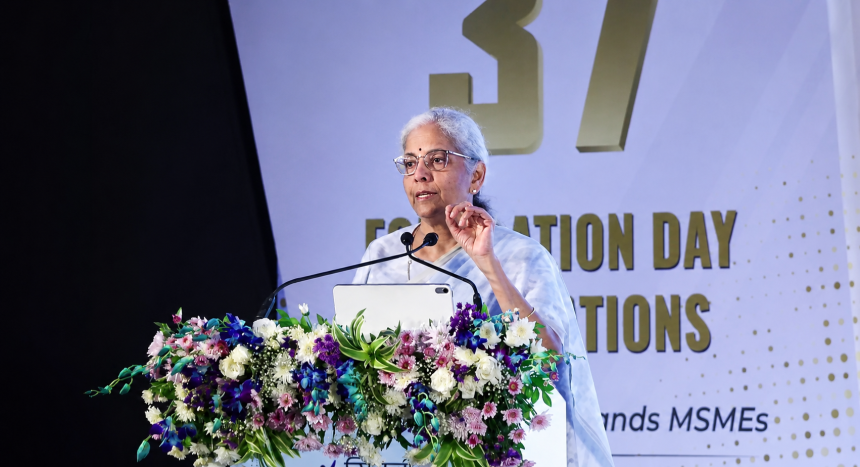
The recent fuel price hike has sparked a heated debate across the country, with many calling for a reduction in excise duties on petrol and diesel to ease the burden on consumers. However, Union finance minister Nirmala Sitharaman has cautioned that such a move would lead to a significant revenue loss of around Rs 1 lakh crore, which could have far-reaching implications for the economy. As the government struggles to balance its finances, Sitharaman emphasized the need to give confidence to people and avoid fear mongering, stating that India cannot afford to succumb to negative sentiments.
Economic Implications of Fuel Price Hike
The fuel price hike has been a major concern for consumers, with many feeling the pinch of increased transportation costs and higher prices of essential commodities. The rise in fuel prices has also had a ripple effect on the economy, with many industries, such as manufacturing and logistics, facing increased costs and reduced profitability. As a result, there have been growing demands for the government to reduce excise duties on petrol and diesel to mitigate the impact of the price hike. However, Sitharaman’s statement has made it clear that the government is not inclined to take such a step, at least not at the moment.
The revenue loss of Rs 1 lakh crore is a significant amount, and it could have a major impact on the government’s finances. The government has already been facing a revenue shortfall due to the COVID-19 pandemic, and the loss of revenue from excise duties could further exacerbate the situation. This could lead to a reduction in government spending on key sectors such as healthcare, education, and infrastructure, which could have long-term consequences for the economy. As such, the government needs to carefully weigh its options and consider the potential implications of any decision it takes on fuel prices.
Impact on Consumers and Industries
The fuel price hike has been a major burden for consumers, with many struggling to make ends meet. The increased cost of transportation has made it difficult for people to commute to work, and the higher prices of essential commodities have reduced their purchasing power. The situation is particularly dire for low-income households, which spend a significant portion of their income on fuel and other essential items. As such, there is a growing need for the government to provide some relief to consumers, either through a reduction in excise duties or other measures such as subsidies or cash transfers.
The fuel price hike has also had a significant impact on industries, with many facing increased costs and reduced profitability. The manufacturing sector, which is a major consumer of fuel, has been particularly affected, with many companies facing higher production costs and reduced competitiveness. The logistics sector has also been impacted, with higher fuel costs leading to increased transportation costs and reduced efficiency. As such, there is a growing need for the government to provide some relief to industries, either through a reduction in excise duties or other measures such as tax breaks or subsidies.
Way Forward
The fuel price hike is a complex issue, and there is no easy solution. However, the government needs to take a balanced approach that takes into account the needs of both consumers and industries. One possible solution could be to reduce excise duties on petrol and diesel, but only temporarily, to provide some relief to consumers and industries. Another option could be to increase subsidies or cash transfers to low-income households, to help them cope with the increased cost of living. The government could also consider implementing measures to improve fuel efficiency, such as promoting the use of electric vehicles or public transport, to reduce the demand for fuel and mitigate the impact of the price hike.
Ultimately, the government needs to take a long-term view and consider the potential implications of any decision it takes on fuel prices. The revenue loss of Rs 1 lakh crore is a significant amount, but it is not the only consideration. The government needs to balance its finances with the needs of consumers and industries, and take a decision that is in the best interests of the economy. As Sitharaman stated, India cannot afford fear mongering, and the government needs to give confidence to people by taking a balanced and informed approach to the fuel price hike.