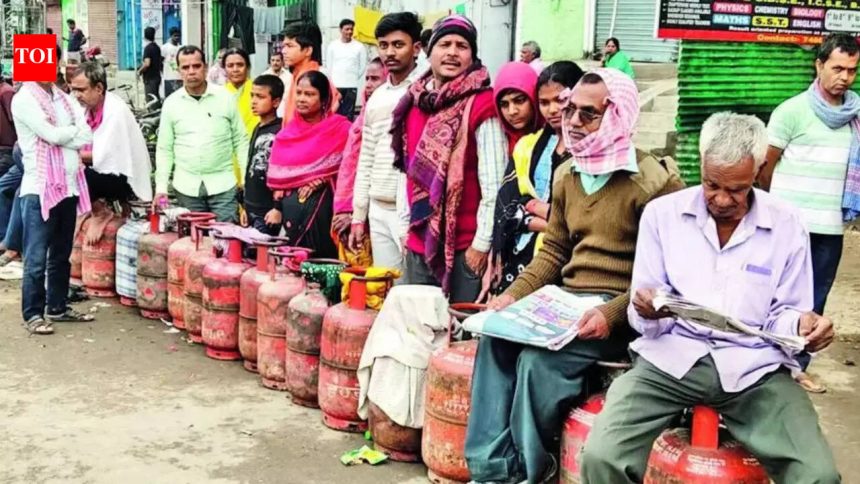
The Indian government is taking bold steps to address the ongoing energy crisis, and its latest move is a significant one: pushing for piped natural gas (PNG) connections across the country. As the nation grapples with an LPG supply crunch, this initiative could be a turning point in India’s quest for a more sustainable and efficient energy landscape. With all ministries now tasked with assessing the potential demand for PNG, the stage is set for a major overhaul of the country’s energy infrastructure.
Assessing the Demand
The government’s directive to assess PNG demand is a critical first step in this process. By understanding where the greatest need for piped natural gas exists, policymakers can begin to allocate resources effectively and prioritize areas that will benefit most from this new infrastructure. This is not just about meeting immediate energy needs; it’s about building a foundation for long-term growth and development. As industries and households look to transition away from traditional fuels, PNG connections will play a vital role in powering this change.
But what does this mean for the average Indian citizen? In practical terms, the expansion of PNG connections could lead to lower energy costs and reduced reliance on imported fuels. It could also pave the way for the development of new industries and job opportunities, as businesses look to capitalize on the benefits of piped natural gas. As the government works to identify areas of high demand, it’s likely that we’ll see a surge in investment and activity in these regions, driving economic growth and stimulating local economies.
The Bigger Picture
India’s push for PNG connections is part of a broader strategy to diversify its energy mix and reduce its carbon footprint. As the world’s third-largest emitter of greenhouse gases, India has a significant role to play in the global effort to combat climate change. By promoting the use of natural gas, which is a cleaner-burning fuel than coal or oil, the government can help to mitigate the environmental impacts of India’s rapid industrialization. This is not just an environmental issue; it’s also a matter of public health, as air pollution from fossil fuels poses a major threat to human well-being.
Of course, there are challenges to overcome in the rollout of PNG connections. Infrastructure development will be a major hurdle, as will the need to balance the interests of different stakeholders, from households and businesses to state-owned enterprises and private sector players. But with careful planning and coordination, these obstacles can be overcome, and the benefits of piped natural gas can be realized.
A New Energy Era
As India embarks on this new energy journey, it’s clear that the country is on the cusp of a significant transformation. The expansion of PNG connections is just one part of a larger story, one that will see India emerge as a leader in the global transition to a more sustainable energy future. With its vast resources, rapidly growing economy, and increasingly proactive government, India is well-placed to drive innovation and investment in the energy sector. As the nation looks to the future, one thing is certain: the days of reliance on traditional fuels are numbered, and a new era of clean, efficient, and sustainable energy is dawning.
So what does the future hold for India’s energy landscape? As the government continues to push for PNG connections and promote the development of new energy infrastructure, we can expect to see significant changes in the years to come. From reduced carbon emissions to increased economic growth, the benefits of this transition will be far-reaching and profound. As India fuels its future, the world will be watching with great interest, eager to learn from the country’s experiences and replicate its successes.
As we look to the years ahead, it’s clear that India’s energy story is one of hope and opportunity. With the right policies, investments, and technologies in place, the country can unlock a brighter, more sustainable future for all its citizens. The push for PNG connections is just the beginning of this journey, and it will be exciting to see where it takes us.
In the end, India’s energy future is not just about pipelines and power plants; it’s about people. It’s about creating a better life for the nation’s 1.3 billion citizens, and ensuring that they have access to the energy they need to thrive. As the government works to build a more sustainable energy landscape, it’s clear that the stakes are high, but the potential rewards are even higher. With piped natural gas connections leading the way, India is poised to emerge as a beacon of energy innovation and a model for the world to follow.