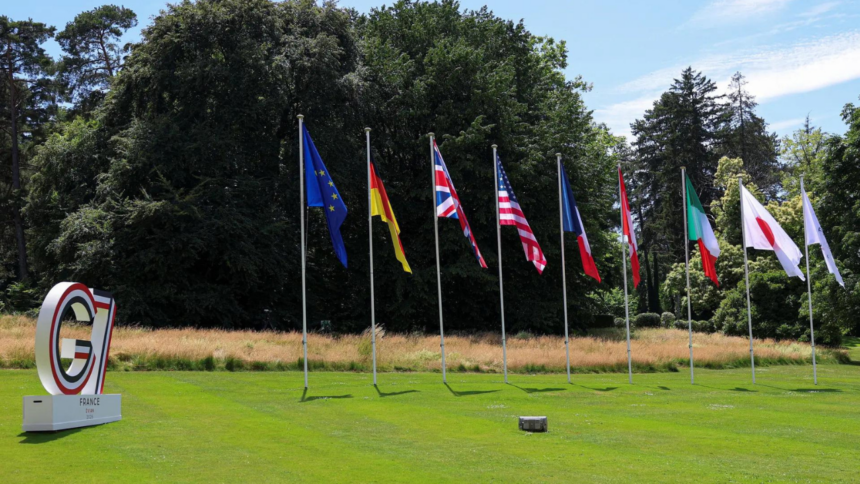
The G7 summit in Japan has marked a significant turning point in the global quest for energy security, as leaders of the world’s leading economies have joined forces to challenge China’s dominance in the critical minerals market. At the heart of this strategic move lies a desire to reduce dependence on Beijing for key resources, including lithium, cobalt, and nickel, which are essential for the production of electric vehicles and renewable energy technologies. The coordinated effort aims to ensure a more balanced and sustainable supply chain, safeguarding the interests of nations while promoting economic growth and environmental protection.
Coordinating Stockpiles and Recycling Efforts
The agreement reached among G7 leaders focuses on several key areas, including stockpiling, recycling, and the creation of a new platform with an expanded role for the International Energy Agency (IEA). By pooling their resources, participating nations will be able to build strategic stockpiles of critical minerals, reducing their reliance on China and mitigating potential supply chain disruptions. Additionally, the enhanced recycling efforts will enable the recovery and reuse of valuable materials, thereby minimizing waste and the environmental impact of mining.
The initiative also seeks to promote greater transparency and accountability within the supply chain, allowing countries to better track the origin and movement of critical minerals. This increased visibility will facilitate more informed decision-making and foster cooperation among nations to address complex global challenges.
Strengthening the IEA and Fostering Global Cooperation
The G7’s decision to expand the role of the IEA represents a significant step towards bolstering international cooperation on energy issues. The IEA, an intergovernmental organization founded in 1974, will now be tasked with providing critical support in the development and implementation of strategies aimed at securing a more sustainable and equitable supply of critical minerals. By tapping into the IEA’s expertise and global network, G7 nations will be able to tap into a wealth of knowledge and resources, facilitating the sharing of best practices and the coordination of efforts.
As the world grapples with the challenges of climate change, energy security, and economic instability, the G7’s commitment to collaborative action on critical minerals represents a beacon of hope for a more sustainable future. By working together, nations can ensure that the benefits of economic growth and technological progress are shared equitably, while minimizing the risks associated with dependence on vulnerable supply chains.
A New Era of Global Cooperation
The G7’s united front against China’s dominance in the critical minerals market marks a significant shift in the global energy landscape. As nations come together to address the complex challenges of the 21st century, it is clear that a new era of cooperation and collaboration is dawning. The initiative’s focus on sustainability, transparency, and equity sets a powerful precedent for future international agreements, underscoring the need for collective action in the face of shared global challenges.
As the dust settles on the G7 summit, one thing is clear: the world is entering a new era of resource competition, with the fate of energy security and economic prosperity hanging in the balance. The G7’s commitment to a more balanced and sustainable supply chain is a testament to the power of collective action, offering a beacon of hope for a brighter, more resilient future.