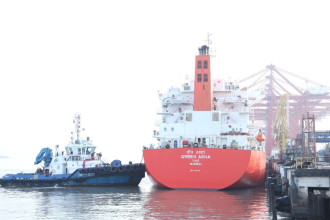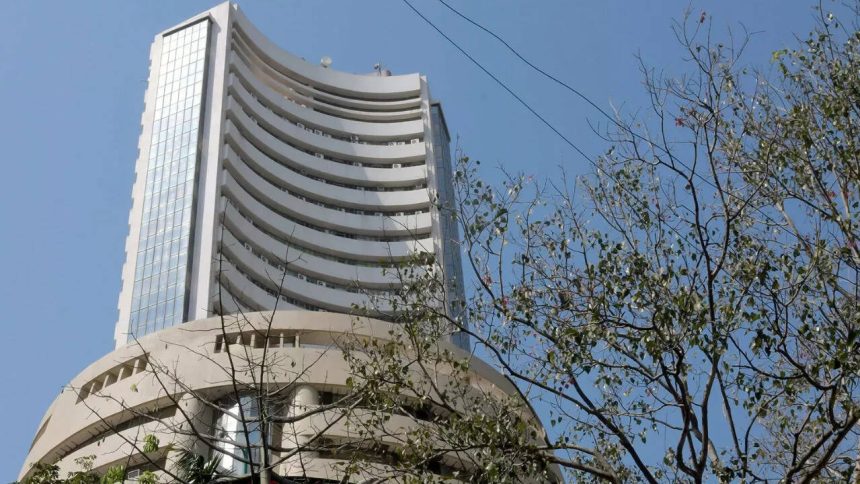
The Indian stock market experienced a significant downturn on Thursday, with the sensex sliding over 852 points to 77,664 points, a 1.1% decline. This substantial drop is largely attributed to the escalating global tensions and the resultant surge in crude oil prices, which have risen to over $103 per barrel. The rupee, meanwhile, has fallen below 94 to a dollar, further exacerbating the situation. As investors grow increasingly cautious, the market is bracing itself for potential long-term implications of these external factors.
Economic Implications of Rising Oil Prices
The rise in crude oil prices has far-reaching consequences for the Indian economy, which is heavily reliant on oil imports. As the cost of crude oil increases, it leads to higher production costs, reduced profit margins, and ultimately, higher prices for consumers. This can have a ripple effect on various industries, including transportation, manufacturing, and aviation, leading to increased costs and reduced demand. Furthermore, the depreciation of the rupee against the dollar makes imports more expensive, adding to the economic woes.
The impact of rising oil prices is not limited to the economy; it also has significant implications for the country’s trade deficit and current account deficit. As oil imports become more expensive, the trade deficit is likely to widen, putting pressure on the rupee and potentially leading to further depreciation. This, in turn, can lead to higher inflation, reduced consumer spending, and decreased economic growth. The government will need to carefully balance its fiscal policies to mitigate the effects of the rising oil prices and ensure that the economy remains on a stable growth trajectory.
Market Reaction and Investor Sentiment
The significant decline in the sensex is a clear indication of the market’s reaction to the rising oil prices and global tensions. Investors are becoming increasingly risk-averse, opting to pull out of the market and adopt a wait-and-watch approach. The decline in investor sentiment is also reflected in the decrease in foreign portfolio investments, which have been a significant contributor to the Indian stock market in recent years. As foreign investors withdraw their funds, the market is likely to experience further volatility, making it challenging for domestic investors to navigate.
The market’s reaction to the rising oil prices and global tensions is not unique to India; it is a global phenomenon. Markets around the world are experiencing similar declines, as investors grapple with the uncertainty and unpredictability of the current geopolitical situation. The key to navigating this challenging environment will be to stay informed, adapt to changing circumstances, and maintain a long-term perspective. As the situation continues to evolve, it is essential for investors to remain vigilant and be prepared to respond to any further developments.
Way Forward and Potential Strategies
As the Indian stock market continues to grapple with the challenges posed by rising oil prices and global tensions, it is essential to adopt a strategic approach to mitigate the risks and capitalize on potential opportunities. Investors should focus on diversifying their portfolios, allocating assets across various sectors and industries to reduce exposure to any one particular segment. Additionally, they should maintain a long-term perspective, avoiding impulsive decisions based on short-term market fluctuations.
The government, too, has a crucial role to play in stabilizing the economy and restoring investor confidence. By implementing fiscal policies that promote economic growth, reduce the trade deficit, and stabilize the rupee, the government can help mitigate the effects of the rising oil prices. Furthermore, measures to increase domestic oil production, improve energy efficiency, and promote the use of alternative energy sources can help reduce the country’s reliance on imported oil and decrease its vulnerability to price fluctuations. As the situation continues to unfold, it is essential for all stakeholders to work together to navigate the challenges and capitalize on the opportunities that arise.
The current situation is a stark reminder of the complexities and interconnectedness of the global economy. As investors, policymakers, and other stakeholders navigate this challenging environment, it is essential to remain informed, adaptable, and proactive. By adopting a strategic approach and maintaining a long-term perspective, it is possible to mitigate the risks and capitalize on the opportunities that arise, ultimately ensuring that the Indian economy emerges stronger and more resilient than ever before.