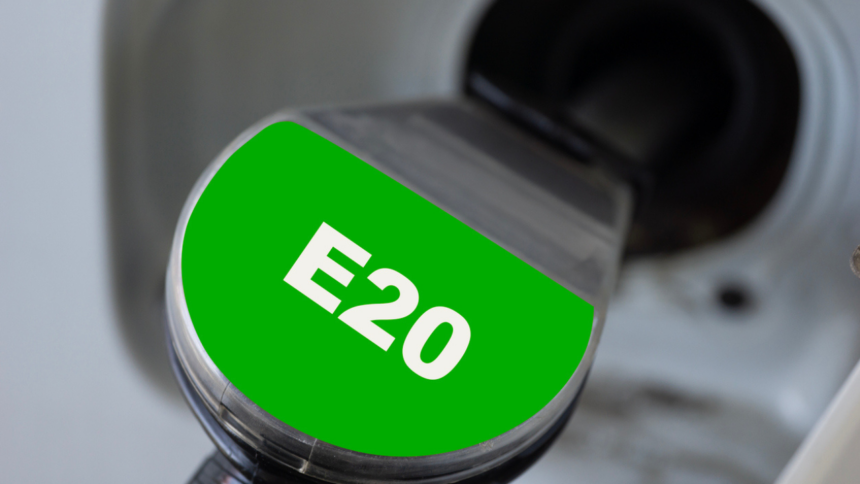
The Indian government is facing mounting pressure to make public a long-awaited study on the impact of E20 fuel on vehicles compatible with E10 fuel. The study, conducted by the Automotive Research Association of India (ARAI), has been shrouded in mystery, fueling concerns and misconceptions among vehicle owners. As the demand for transparency grows, government agencies are re-examining the possibility of releasing the report, hoping to dispel the uncertainty and confusion surrounding the issue.
ARAI’s Study and the Fuel Conundrum
The use of biofuels has been gaining momentum globally, with many countries incorporating ethanol-blended fuels into their energy mix. In India, the government has set ambitious targets for increasing the use of biofuels, with a focus on reducing dependence on fossil fuels and mitigating climate change. However, the transition to E20 fuel has been slow, largely due to concerns about its impact on vehicles designed to run on E10 fuel. The ARAI study was commissioned to investigate these concerns and provide clarity on the issue.
The study’s findings have been kept under wraps for months, sparking speculation and debate among vehicle owners and industry experts. Some have expressed concerns that E20 fuel may damage engines or compromise vehicle performance, while others argue that the fuel is safe and effective. The lack of clear information has created a sense of uncertainty, with many vehicle owners unsure about whether to switch to E20 fuel or stick with E10.
Government Agencies Weigh the Options
Government agencies are now grappling with the decision of whether to release the ARAI study, weighing the potential benefits against the potential risks. On one hand, releasing the study could help to clear the air and provide much-needed clarity on the issue, allowing vehicle owners to make informed decisions about their fuel choices. On the other hand, releasing the study could also have unintended consequences, such as triggering a mass switch to E20 fuel, which could put a strain on the fuel supply chain.
Industry experts have urged the government to release the study, arguing that transparency and clarity are essential for promoting the adoption of biofuels. They also point out that the benefits of using E20 fuel far outweigh the potential risks, including reduced greenhouse gas emissions and improved air quality.
The Way Forward
The decision to release the ARAI study will have far-reaching consequences for the Indian automotive industry and the country’s fuel policy. If released, the study could provide a much-needed boost to the adoption of biofuels, helping to reduce India’s dependence on fossil fuels and mitigate climate change. Alternatively, if the study is kept under wraps, it could perpetuate the uncertainty and confusion surrounding the issue, hindering the country’s efforts to transition to cleaner fuels.
As the government weighs its options, one thing is clear: the Indian people deserve to know the truth about the impact of E20 fuel on their vehicles. By releasing the ARAI study, the government can take a crucial step towards promoting transparency and clarity, and helping to build a cleaner, more sustainable future for India.