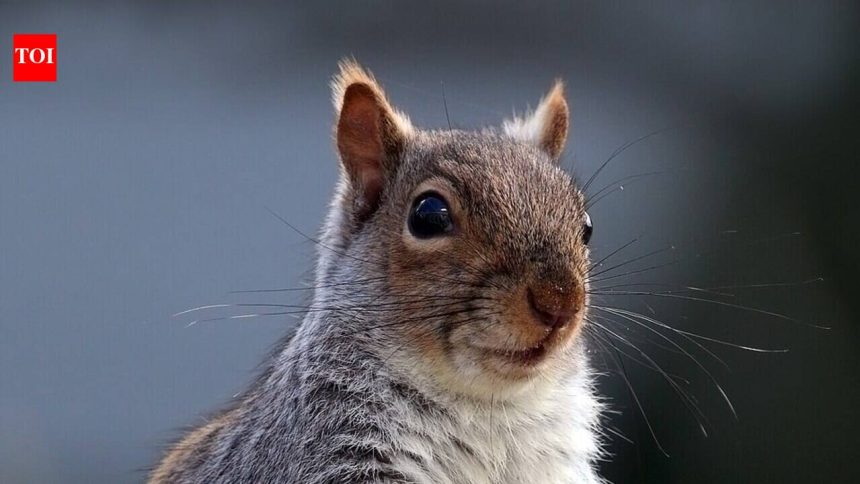
The British countryside, once teeming with the iconic red squirrel, has undergone a transformation of epic proportions. In 1876, a wealthy merchant’s decision to release two American grey squirrels into his Cheshire park marked the beginning of an ecological revolution that would change the face of the nation’s forests forever. Today, Britain is home to approximately 2.5 million grey squirrels, while their native red counterparts survive in much smaller numbers. The once-pristine woodlands, now a battleground for the two species, have become a testament to the unpredictable nature of human intervention.
The Unintended Consequences of a Curious Introduction
The story of the grey squirrel’s arrival in Britain is a tale of Victorian curiosity and ambition. The merchant, driven by a desire to showcase the wonders of the New World, imported two grey squirrels from North America and released them into his park. At the time, the introduction was seen as a harmless novelty, a way to impress friends and acquaintances with the exotic wildlife of the American continent. However, as the years passed, the grey squirrels began to thrive, spreading rapidly throughout the countryside. They adapted to their new environment with ease, exploiting the abundant food sources and outcompeting the native red squirrels for resources.
The impact of the grey squirrel’s arrival has been nothing short of devastating for the native red population. With their larger size, intelligence, and adaptability, grey squirrels have been able to outmaneuver their red counterparts, pushing them to the brink of extinction. The red squirrels, once a common sight in British woodlands, now face an uncertain future, their numbers dwindling as the grey squirrels continue to thrive. The loss of the red squirrel is not only a tragedy for the ecosystem but also a poignant reminder of the unintended consequences of human intervention.
The Challenges of Conservation Efforts
Efforts to protect the native red squirrel population have been ongoing for decades, but the task has proven to be a daunting one. Conservationists have implemented various strategies to slow the spread of the grey squirrel, including culling programs and habitat restoration projects. However, these efforts have been met with limited success, and the grey squirrel population continues to grow. One of the main challenges facing conservationists is the grey squirrel’s ability to adapt to different environments, allowing them to thrive in a wide range of habitats. Additionally, the grey squirrel’s high reproductive rate makes them difficult to control, ensuring their continued dominance over the native red population.
Despite these challenges, conservationists remain committed to protecting the native red squirrel. They continue to develop new strategies to combat the grey squirrel’s spread, including the use of birth control measures and the creation of protected red squirrel habitats. While the battle to save the red squirrel is far from over, it is a testament to the resilience and determination of conservationists who are working tirelessly to preserve Britain’s natural heritage.
A Legacy of Human Intervention
The story of the grey squirrel’s arrival in Britain serves as a stark reminder of the unpredictable nature of human intervention. The merchant’s decision to release the grey squirrels into his park may have seemed harmless at the time, but it has had far-reaching consequences for the British ecosystem. As we continue to grapple with the challenges of conservation and environmental management, we would do well to remember the grey squirrel’s story, a cautionary tale of the power of human curiosity and the importance of considering the long-term consequences of our actions.
The legacy of the grey squirrel will continue to shape the British countryside for generations to come. As we strive to balance human needs with environmental concerns, we must acknowledge the intricate web of relationships that exists within the natural world. By learning from the past and embracing a more nuanced understanding of the world around us, we may yet find a way to coexist with the grey squirrel, preserving the beauty and diversity of the British countryside for future generations.