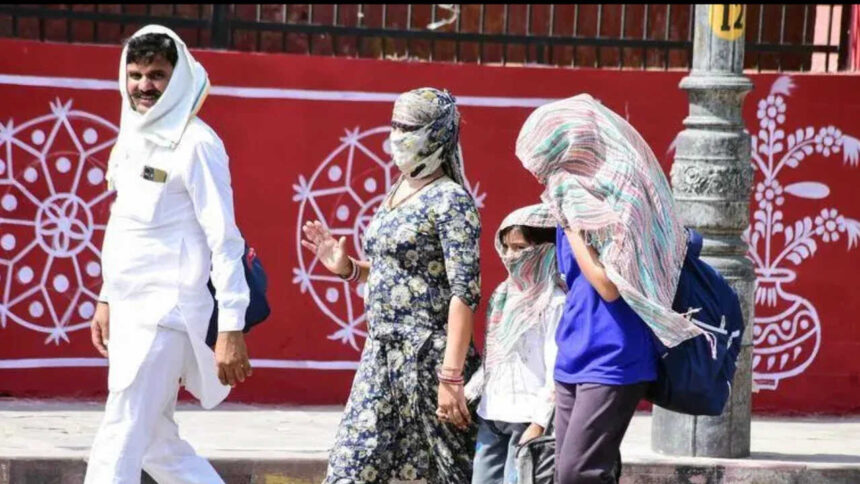
The scorching summer has claimed 20 lives in the past few weeks as heatwaves ravaged four states across the country. The home ministry disclosed this grim reality to the Lok Sabha, leaving many to wonder if the authorities are doing enough to protect the vulnerable citizens. The data revealed that since March 1, 4,853 cases of heatstroke have been reported, with Maharashtra bearing the brunt of the fatalities.
As the mercury continues to rise, the number of heatstroke cases is expected to surge, putting a massive strain on the already overburdened healthcare system. The government has been criticized for its lack of preparedness in tackling the heatwave crisis, which has left many people in distress. The junior home minister, Nityanand Rai, revealed that Telangana has recorded the highest number of heatwaves, highlighting the need for urgent action to prevent further casualties.
The heatwave crisis has exposed the deep-rooted flaws in the country’s disaster management system, which has failed to provide adequate relief to those affected. The government’s failure to provide timely warnings and adequate medical facilities has put the lives of thousands at risk. As the temperatures continue to soar, it is imperative that the government takes immediate action to mitigate the effects of the heatwave and provide relief to those affected.
States Reel Under Heatwave Fury
Maharashtra, which has recorded the highest number of fatalities, has been the worst-hit state. The state government has been criticized for its slow response to the crisis, which has left many people without access to basic amenities like water and electricity. The heatwave has also affected the state’s agricultural sector, with many farmers reporting significant losses due to crop damage.
Telangana, on the other hand, has recorded the highest number of heatwaves, with many areas experiencing temperatures above 45 degrees Celsius. The state government has set up relief camps to provide shelter and medical facilities to those affected, but more needs to be done to address the root cause of the crisis.
Rajasthan and Andhra Pradesh have also been affected by the heatwave, with many areas experiencing temperatures above 40 degrees Celsius. The state governments have set up hotlines and relief centers to provide assistance to those affected, but the crisis continues to worsen.
Heatwave Crisis Exposes Flaws in Disaster Management System
The heatwave crisis has exposed the deep-rooted flaws in the country’s disaster management system, which has failed to provide adequate relief to those affected. The system has been criticized for its lack of preparedness, inadequate resources, and poor coordination among various agencies. The crisis has also highlighted the need for a robust early warning system, which can provide timely warnings to those affected.
The government has been criticized for its slow response to the crisis, which has left many people without access to basic amenities like water and electricity. The heatwave has also affected the country’s economy, with many sectors reporting significant losses due to crop damage and supply chain disruptions.
The crisis has also exposed the vulnerability of the country’s healthcare system, which has been overwhelmed by the number of heatstroke cases. Many hospitals have reported a shortage of medical supplies and staff, which has put the lives of patients at risk.
Government’s Response Falls Short
The government’s response to the heatwave crisis has been criticized for being inadequate and slow. Many critics have accused the government of being insensitive to the plight of those affected, which has further exacerbated the crisis. The government has been criticized for its failure to provide timely warnings, adequate medical facilities, and basic amenities like water and electricity.
The government has also been criticized for its lack of preparedness, which has left many people without access to basic amenities like water and electricity. The heatwave has also affected the country’s economy, with many sectors reporting significant losses due to crop damage and supply chain disruptions.
The crisis has also highlighted the need for a robust early warning system, which can provide timely warnings to those affected. The government has promised to set up a new system, but the timeline for its implementation remains unclear.
As the heatwave continues to ravage the country, it is imperative that the government takes immediate action to mitigate its effects and provide relief to those affected. The crisis has exposed the deep-rooted flaws in the country’s disaster management system, which has failed to provide adequate relief to those affected. The government must take concrete steps to address the root cause of the crisis and provide timely warnings and adequate medical facilities to those affected.