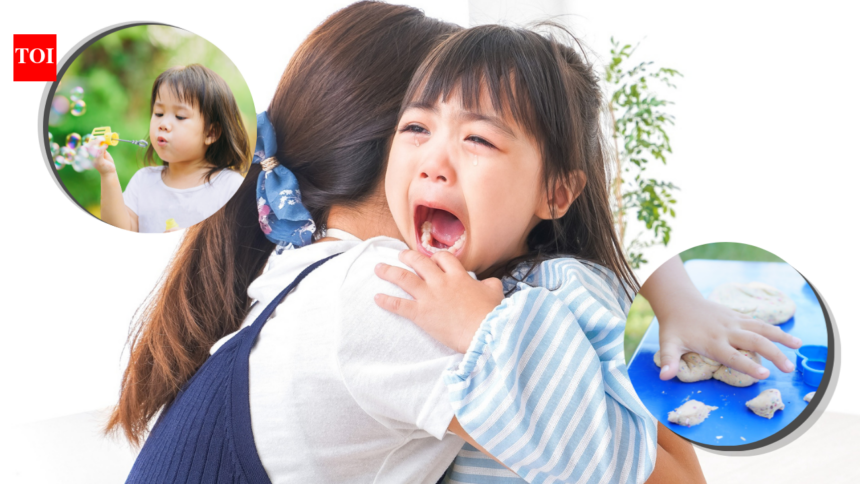
As parents, there’s nothing more distressing than watching our child become overwhelmed with emotion, only to struggle in calming them down. The tears, the tantrums, and the frustration can be a daunting experience for both the child and the parent. But what if this behavior isn’t just a result of misbehavior, but rather a cry for help, a sign that our little ones are struggling to regulate their emotions? This is a common phenomenon, and it’s essential for parents to understand that it’s not a reflection of their parenting skills, but rather an opportunity to teach their child valuable life skills.
Understanding Big Emotions
Children are still learning to navigate their emotions, and sometimes, they can become overwhelmed. This can be triggered by various factors such as tiredness, hunger, or frustration. When a child is in this state, they may not have the words to express their feelings, leading to tears, tantrums, and meltdowns. As parents, it’s crucial to recognize the signs of emotional overload and respond in a calm, gentle manner. By doing so, we can help our child feel safe and secure, which is essential for their emotional well-being.
Research has shown that children who are taught emotional regulation skills from a young age tend to have better mental health outcomes later in life. This is because they develop the ability to recognize, understand, and manage their emotions, which enables them to cope with stress and adversity more effectively. As parents, we can play a significant role in teaching our child these skills, and it starts with being aware of our own emotions and how we respond to our child’s emotional needs.
Activities to Manage Big Emotions
So, what can we do to help our child manage big emotions? The good news is that there are many activities that can help. Deep breathing exercises, for example, can be an effective way to calm the body and mind. This can be done by inhaling deeply through the nose, holding the breath for a few seconds, and then exhaling slowly through the mouth. We can also encourage our child to engage in physical activity, such as running, jumping, or dancing, which can help release pent-up energy and tension.
Other activities that can help manage big emotions include drawing, painting, or creating art. This can provide an outlet for our child to express their feelings and emotions, which can be especially helpful if they struggle to put their emotions into words. We can also try progressive muscle relaxation, which involves tensing and relaxing different muscle groups in the body. This can help our child release physical tension and promote relaxation. Additionally, activities such as yoga, mindfulness, and meditation can also be beneficial in teaching our child emotional regulation skills.
Putting it all Together
While it can be challenging to watch our child struggle with big emotions, it’s essential to remember that this is a normal part of childhood development. By being patient, understanding, and supportive, we can help our child develop the skills they need to regulate their emotions and manage stress. It’s also important to remember that every child is unique, and what works for one child may not work for another. Therefore, it’s crucial to experiment with different activities and strategies to find what works best for our child.
As we navigate the ups and downs of parenting, it’s essential to prioritize our own emotional well-being, too. By taking care of ourselves, we can become more patient, compassionate, and understanding, which is essential for supporting our child’s emotional needs. With time, patience, and practice, we can help our child develop the skills they need to manage big emotions, and this can have a lasting impact on their mental health and well-being. By working together, we can raise happy, healthy, and emotionally intelligent children who are equipped to handle life’s challenges with confidence and resilience.