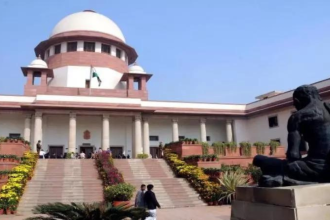
The wheels of justice have finally turned in favor of those affected by the National Highways Authority of India’s (NHAI) acquisition of land for its projects. In a significant ruling, the Supreme Court has refused NHAI’s plea to review the retrospective application of solatium to NH acquisitions, bringing hope to thousands of people who have been waiting for fair compensation for their land. This decision is a major milestone in the long and arduous journey of those who have been fighting for their rights.
Understanding the Context
The concept of solatium is a crucial aspect of the Land Acquisition Act, which provides for an additional 30% compensation to landowners over and above the market value of their land. The retrospective application of solatium to NH acquisitions means that those who have already lost their land to NHAI projects will now be eligible for this extra compensation. This is a significant development, as it acknowledges the hardships faced by those who have been displaced by these projects.
The NHAI had argued that the retrospective application of solatium would put an undue burden on the authority, as it would have to pay out large amounts of money in compensation. However, the Supreme Court has rejected this argument, stating that the right to fair compensation is a fundamental right of every citizen. This ruling sends a strong message that the government and its agencies cannot trample on the rights of citizens in the name of development.
Implications and Ramifications
The implications of this ruling are far-reaching and significant. For one, it will bring relief to thousands of people who have been waiting for years for fair compensation for their land. It will also serve as a deterrent to government agencies like NHAI, which often acquire land without providing adequate compensation to landowners. The ruling is also a testament to the independence of the judiciary, which has once again proven that it is a champion of the rights of the common man.
The decision is also likely to have a significant impact on the way government agencies acquire land for their projects. It will force them to be more transparent and accountable in their dealings with landowners, and to ensure that they provide fair and adequate compensation to those who are displaced by their projects. This, in turn, will help to build trust between the government and the people, which is essential for the success of any development project.
A New Era of Accountability
The Supreme Court’s ruling is a significant step towards creating a more accountable and transparent system of land acquisition. It recognizes that the right to property is a fundamental right, and that it cannot be taken away without providing fair and adequate compensation. This ruling will have a ripple effect, impacting not just NHAI but all government agencies that acquire land for their projects.
As the country continues to grow and develop, it is essential that we strike a balance between development and the rights of citizens. The Supreme Court’s ruling is a strong statement that development cannot come at the cost of justice. It is a reminder that the government and its agencies must always prioritize the rights and interests of the people, and that they must be held accountable for their actions.
The journey ahead will not be easy, and there will be many challenges to overcome. But for now, the Supreme Court’s ruling is a beacon of hope for those who have been fighting for their rights. It is a reminder that the system can work, and that justice can be served, even in the face of overwhelming odds. As the country looks to the future, one thing is clear: the voice of the people will not be silenced, and their rights will not be trampled upon.