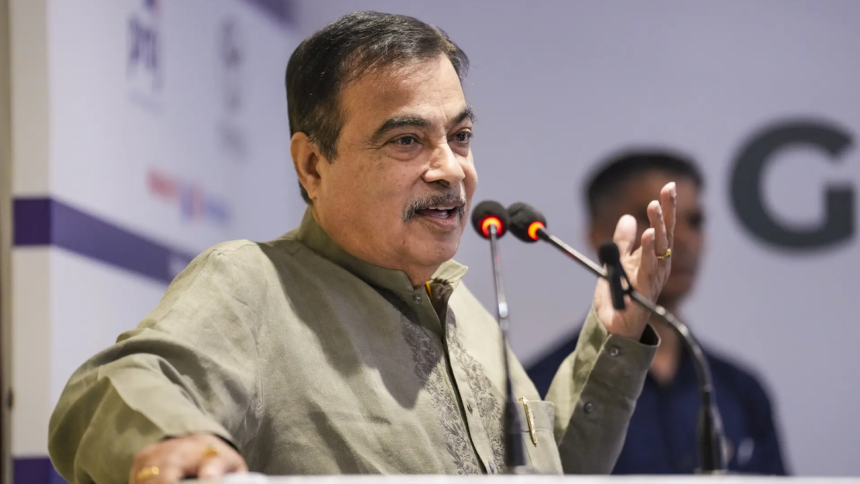
India’s road transport and highways minister, Nitin Gadkari, has urged the nation to strive for 100 per cent ethanol blending in the near future, citing the need to strengthen energy self-reliance and reduce dependence on imported fuels. This ambitious goal is expected to have a significant impact on the country’s energy security, economy, and environment. With the transportation sector being one of the largest consumers of energy, a shift towards ethanol blending could lead to a substantial reduction in greenhouse gas emissions and help India achieve its climate change mitigation targets.
Energy Security and Import Risks
The minister’s call for 100 per cent ethanol blending is largely driven by concerns over energy security and the risks associated with imports. India is one of the largest importers of petroleum products, with a significant portion of its energy needs being met through imports. This not only puts a strain on the country’s foreign exchange reserves but also makes it vulnerable to price volatility in the global energy market. By promoting the use of ethanol, which can be produced domestically from biomass and other organic materials, India can reduce its reliance on imported fuels and improve its energy self-sufficiency.
The use of ethanol as a fuel also offers several environmental benefits. Ethanol is a cleaner-burning fuel than petrol, producing fewer emissions of particulate matter, carbon monoxide, and other harmful pollutants. Additionally, ethanol is a renewable energy source, which can be produced from a variety of biomass materials, including agricultural waste, forestry residues, and other organic matter. This can help reduce the country’s dependence on fossil fuels and mitigate the impacts of climate change.
Economic Benefits and Challenges
The shift towards 100 per cent ethanol blending is also expected to have significant economic benefits for India. The production of ethanol from domestic biomass materials can create new employment opportunities in rural areas, stimulate economic growth, and improve the livelihoods of farmers and other stakeholders. Furthermore, the use of ethanol as a fuel can help reduce the country’s fuel import bill, which can have a positive impact on the trade balance and the overall economy.
However, the transition to 100 per cent ethanol blending will not be without its challenges. One of the major hurdles is the availability of sufficient biomass materials for ethanol production. India will need to ramp up its biomass production and develop a robust supply chain to meet the demand for ethanol. Additionally, the country will need to invest in new technologies and infrastructure to support the production, distribution, and use of ethanol as a fuel.
Way Forward
To achieve the goal of 100 per cent ethanol blending, the government will need to implement a range of policies and initiatives. This can include providing incentives for farmers to produce biomass materials, investing in research and development to improve ethanol production technologies, and developing new infrastructure to support the distribution and use of ethanol as a fuel. The government will also need to work with industry stakeholders, including automobile manufacturers, fuel retailers, and other stakeholders, to ensure a smooth transition to ethanol blending.
India’s aim to achieve 100 per cent ethanol blending is an ambitious but necessary goal. With the country’s energy demands expected to continue growing in the coming years, it is essential that India reduces its dependence on imported fuels and promotes the use of cleaner, renewable energy sources. The use of ethanol as a fuel offers several benefits, including improved energy security, reduced greenhouse gas emissions, and economic benefits. While there are challenges to be addressed, the government’s commitment to promoting ethanol blending is a positive step towards a more sustainable energy future for India.