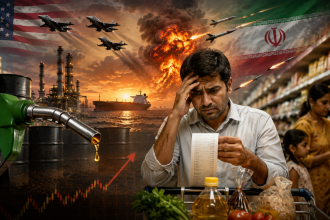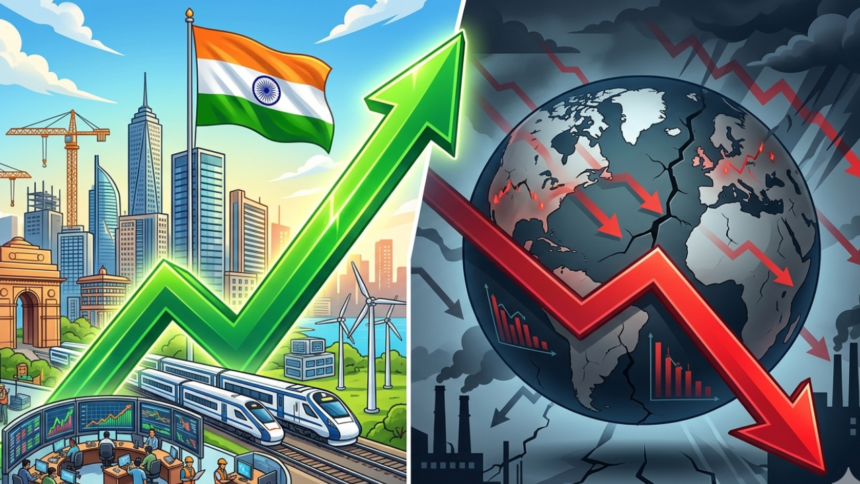
The global economy is facing a tumultuous year ahead, with the World Bank slashing its growth forecast to 2.5% for 2026, citing the devastating impact of the ongoing conflict in the Middle East, skyrocketing energy prices, and heightened uncertainty across markets. However, amidst this gloomy outlook, India has emerged as a beacon of hope, with the World Bank predicting a robust 6.6% growth for the country. This forecast is a testament to India’s resilient economy, which has managed to weather the global storms and continue on its upward trajectory. The Indian government’s efforts to boost economic growth, coupled with the country’s vast demographic dividend, have contributed to its growth edge.
Global Economic Outlook
The World Bank’s revised forecast paints a grim picture of the global economy, with the ongoing conflict in the Middle East and rising energy prices taking a toll on economic activity. The bank has warned that the global economy is facing significant headwinds, including a slowdown in major economies, a decline in trade, and a rise in debt levels. The forecast also highlights the risks of a prolonged period of low growth, which could have far-reaching consequences for global stability and prosperity. The World Bank has urged governments and policymakers to take proactive measures to mitigate these risks and promote economic growth.
The global economic slowdown is expected to have a significant impact on emerging markets, which are heavily reliant on exports and foreign investment. Many of these countries are already facing significant challenges, including high debt levels, weak fiscal balances, and a decline in commodity prices. The World Bank has warned that these countries need to take urgent action to diversify their economies, promote private sector growth, and improve their business environments. The bank has also emphasized the need for international cooperation and coordination to address the global economic challenges and promote a more stable and prosperous world.
India’s Growth Story
India’s growth story is a significant exception to the global trend, with the country expected to maintain its position as one of the fastest-growing major economies. The World Bank has attributed India’s growth to a combination of factors, including a large and growing middle class, a significant increase in foreign investment, and a major push towards infrastructure development. The Indian government’s efforts to improve the business environment, simplify tax laws, and promote entrepreneurship have also contributed to the country’s growth edge.
The World Bank has also praised India’s efforts to promote financial inclusion, with the country making significant strides in expanding access to banking and financial services. The bank has noted that India’s financial inclusion initiatives have helped to reduce poverty, improve living standards, and promote economic growth. The World Bank has also emphasized the need for India to continue to invest in human capital, including education and healthcare, to promote sustainable and inclusive growth. The bank has warned that India needs to address its significant infrastructure gaps, including in transportation, energy, and telecommunications, to support its growth ambitions.
Challenges Ahead
Despite the positive forecast, India is not immune to the global economic challenges, and the country faces significant risks and uncertainties. The ongoing conflict in the Middle East and rising energy prices could have a major impact on India’s economy, particularly if they lead to a significant increase in import prices. The country is also vulnerable to a decline in global trade, which could affect its export-oriented industries. The World Bank has warned that India needs to be prepared to respond to these challenges and promote economic resilience.
The Indian government has taken several steps to mitigate these risks, including a significant increase in foreign exchange reserves, a reduction in fiscal deficits, and a major push towards diversifying the country’s economy. The government has also emphasized the need to promote private sector growth, improve the business environment, and invest in human capital. The World Bank has praised these efforts, but has warned that more needs to be done to promote sustainable and inclusive growth. The bank has emphasized the need for India to continue to invest in infrastructure, promote financial inclusion, and address its significant social and economic challenges.