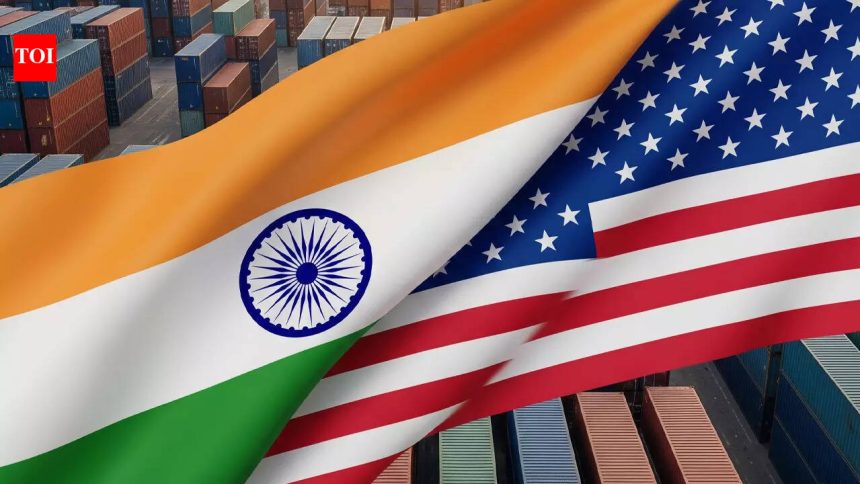
The United States has imposed a 10% tariff on Indian goods under Section 301, a move that has sparked intense debate about the potential impact on India’s export sector. While the immediate effects may be limited, economists and trade experts are closely watching the situation, as it has the potential to escalate into a full-blown trade war between the two countries. The tariff hike is seen as a significant development, given the importance of the US market for Indian exporters, with the country being one of the largest destinations for Indian goods.
Understanding the Tariff Hike
The 10% tariff imposed by the US on Indian goods is a result of the ongoing trade tensions between the two nations. The US has been pressuring India to open up its markets and reduce trade barriers, and the tariff hike is seen as a way to exert pressure on the Indian government to comply. The tariff will affect a wide range of Indian goods, including textiles, pharmaceuticals, and agricultural products, which are among the country’s top export items.
The Indian government has expressed disappointment over the tariff hike, stating that it will harm the country’s export sector and affect the livelihoods of millions of people. However, economists believe that the immediate impact of the tariff hike will be limited, as Indian exporters have already been facing tariffs and other trade barriers in the US market. They argue that the tariff hike will not significantly affect India’s export growth, at least in the short term, as exporters have been adapting to the changing trade landscape and exploring new markets.
Impact on Indian Exports
The tariff hike is expected to affect Indian exporters in various ways, depending on the sector and the products they export. For instance, textile exporters may face significant challenges, as the US is one of the largest markets for Indian textiles. The tariff hike will increase the cost of Indian textiles in the US market, making them less competitive compared to other countries. On the other hand, pharmaceutical exporters may not be as affected, as the US market is highly dependent on Indian pharmaceuticals, and the tariff hike may not significantly impact their sales.
Despite the potential challenges, Indian exporters are optimistic about their ability to adapt to the changing trade landscape. Many have already started exploring new markets and diversifying their product range to reduce their dependence on the US market. The Indian government has also been actively engaging with other countries to negotiate new trade agreements and reduce trade barriers, which is expected to help exporters access new markets and increase their competitiveness.
Future of India-US Trade Relations
The tariff hike has raised concerns about the future of India-US trade relations, with many experts warning that it could escalate into a full-blown trade war. However, both countries have a strong interest in maintaining good trade relations, and it is likely that they will engage in negotiations to resolve their differences. The Indian government has already stated that it will retaliate against the US tariff hike, but it is expected to do so in a calibrated manner to avoid escalating the situation.
As the trade tensions between India and the US continue to unfold, it is clear that the situation is complex and multifaceted. While the tariff hike may have limited immediate impact on India’s exports, it has the potential to affect the country’s trade relations with the US in the long term. As such, it is essential for the Indian government and exporters to closely monitor the situation and adapt to the changing trade landscape to minimize the impact of the tariff hike and ensure the continued growth of the country’s export sector.