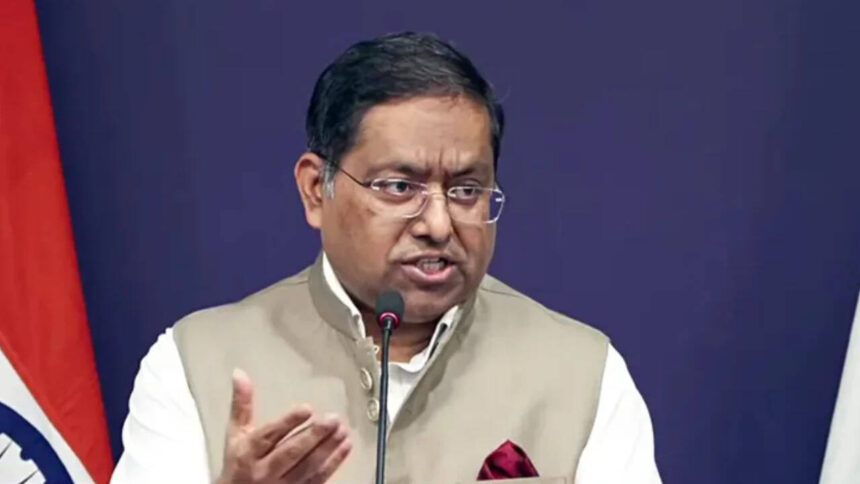
India’s Ministry of External Affairs has fired back at criticism from a US lawmaker over the country’s foreign funding law, known as the Foreign Contribution Regulation Act (FCRA) Bill, stating that the matter is an internal issue that will be decided by Parliament. The strong response from the Indian government comes after a US lawmaker expressed concerns over the impact of the law on non-governmental organizations (NGOs) operating in the country. The FCRA Bill has been a subject of controversy, with many arguing that it restricts the ability of NGOs to receive foreign funding, thereby limiting their ability to operate effectively.
Background of the FCRA Bill
The FCRA Bill was first introduced in 2010, with the aim of regulating the receipt of foreign contributions by NGOs operating in India. The law requires NGOs to register with the government and provides for penalties, including imprisonment, for those who fail to comply. Proponents of the law argue that it is necessary to prevent foreign interference in India’s internal affairs and to ensure that NGOs are not used as a front for terrorist or anti-national activities. However, critics argue that the law is too broad and can be used to target legitimate NGOs and stifle dissent.
The US lawmaker’s criticism of the FCRA Bill is not an isolated incident, as there have been concerns raised by other countries and international organizations about the impact of the law on human rights and democracy in India. The Indian government has maintained that the law is necessary to maintain national security and prevent foreign interference, but critics argue that it can be used to silence opposition voices and restrict the activities of NGOs.
Implications of the FCRA Bill
The implications of the FCRA Bill are far-reaching, with many NGOs already feeling the impact of the law. Many NGOs have reported difficulties in receiving foreign funding, which has restricted their ability to operate effectively. The law has also created a climate of fear among NGOs, with many afraid to speak out against the government for fear of being targeted. The US lawmaker’s criticism of the FCRA Bill has given hope to many NGOs, who see it as a sign that the international community is taking notice of their plight.
The Indian government’s response to the criticism has been robust, with the Ministry of External Affairs stating that the matter is an internal issue that will be decided by Parliament. The government has maintained that the law is necessary to maintain national security and prevent foreign interference, but critics argue that it can be used to target legitimate NGOs and stifle dissent. As the debate over the FCRA Bill continues, it remains to be seen how the law will be implemented and what impact it will have on NGOs operating in India.
International Reaction
The international reaction to the FCRA Bill has been mixed, with some countries and organizations expressing concerns about the impact of the law on human rights and democracy in India. The US lawmaker’s criticism of the FCRA Bill is a significant development, as it highlights the growing international scrutiny of India’s human rights record. The Indian government has maintained that the law is necessary to maintain national security and prevent foreign interference, but critics argue that it can be used to target legitimate NGOs and stifle dissent.
The debate over the FCRA Bill is likely to continue, with many NGOs and international organizations calling for the law to be repealed or amended. The Indian government’s response to the criticism will be closely watched, as it will have significant implications for the country’s human rights record and its relationships with the international community. As the situation continues to unfold, one thing is clear: the FCRA Bill has become a major point of contention between the Indian government and the international community, with significant implications for the future of NGOs and human rights in India.