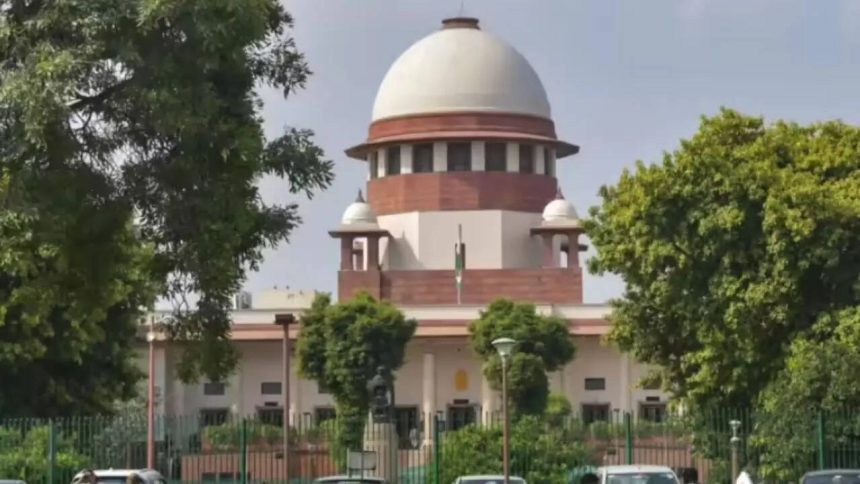
The Supreme Court of India has issued a stern directive to the Union government to respond to a habeas corpus petition seeking the safe return of 26 Indian nationals stranded in the war-torn Ukraine. The plea, filed by the families of the stranded individuals, has raised concerns about the Centre’s efforts to evacuate the nationals and bring them back home safely. The court’s intervention has brought attention to the plight of the Indians, many of whom have been stuck in Ukraine for several months, amidst the ongoing conflict between Russia and Ukraine.
Background and Timeline
The 26 Indian nationals, who were in Ukraine for various reasons, including education and work, found themselves trapped in the conflict zone when the Russian invasion began in February. Despite repeated assurances from the Centre, their families claim that the government has failed to provide adequate assistance and evacuation arrangements. The Supreme Court’s directive comes at a time when the Ukraine crisis has exacerbated the humanitarian situation, with thousands of lives lost and millions displaced.
The Centre has been facing criticism for its handling of the situation, with opposition parties and some sections of the media questioning the government’s response. The Supreme Court’s intervention is seen as a significant development, as it highlights the need for the Centre to take concrete steps to ensure the safe return of the stranded Indians. The court has given the Centre a deadline to respond to the habeas corpus petition, which is expected to be a crucial test of the government’s commitment to protecting its citizens abroad.
Government’s Response and Concerns
The Centre has maintained that it is doing its best to evacuate the stranded Indians, but the process has been slow and arduous due to the complexities of the conflict. The government has also faced criticism for its lack of transparency and communication with the families of the stranded individuals. The Supreme Court’s directive has raised concerns about the Centre’s accountability and its ability to protect its citizens in times of crisis.
The 26 Indians, who are stuck in Ukraine, are a mix of students, professionals, and tourists, who were in the country for various reasons. Many of them have been living in makeshift shelters or with local families, and are struggling to access basic necessities like food and water. The humanitarian situation in Ukraine is dire, with thousands of civilians trapped in conflict zones, and the Supreme Court’s intervention is seen as a beacon of hope for the stranded Indians.
Way Forward and Expectations
The Supreme Court’s directive has set a precedent for the Centre to take proactive steps to protect its citizens abroad. The court’s intervention is expected to put pressure on the government to provide concrete assistance to the stranded Indians and ensure their safe return. The Centre will now have to respond to the habeas corpus petition, which will be a crucial test of its commitment to protecting its citizens.
The return of the 26 Indians will not only bring relief to their families but also restore confidence in the Centre’s ability to handle crisis situations. The Supreme Court’s intervention has highlighted the need for the Centre to be more proactive and transparent in its response to humanitarian crises, and to prioritize the safety and well-being of its citizens abroad.
As the situation in Ukraine continues to unfold, the Supreme Court’s directive has brought a glimmer of hope for the stranded Indians. The Centre’s response to the habeas corpus petition will be closely watched, and its outcome will have significant implications for the country’s handling of crisis situations in the future.