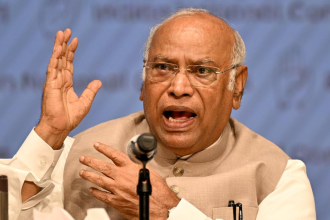
India has marked a significant milestone in its pursuit of sustainable energy, surpassing Brazil to claim the third spot globally in renewable energy installed capacity. The impressive feat has been achieved under the ambitious leadership of Union Minister Pralhad Joshi, who has been instrumental in driving the country’s renewable energy agenda. With this achievement, India has firmly established itself as a leader in the global renewable energy landscape, solidifying its commitment to a cleaner and greener future.
India’s Renewable Energy Journey
India’s remarkable journey in renewable energy began in earnest with the launch of the National Solar Mission in 2010, aimed at harnessing the vast solar energy potential of the country. Since then, the government has implemented a series of initiatives to promote the development of renewable energy, including the Jawaharlal Nehru National Solar Mission (JNNSM) and the Renewable Energy (RE) Policy. These efforts have been complemented by the private sector’s significant investment in renewable energy, which has helped to drive growth and innovation in the sector.
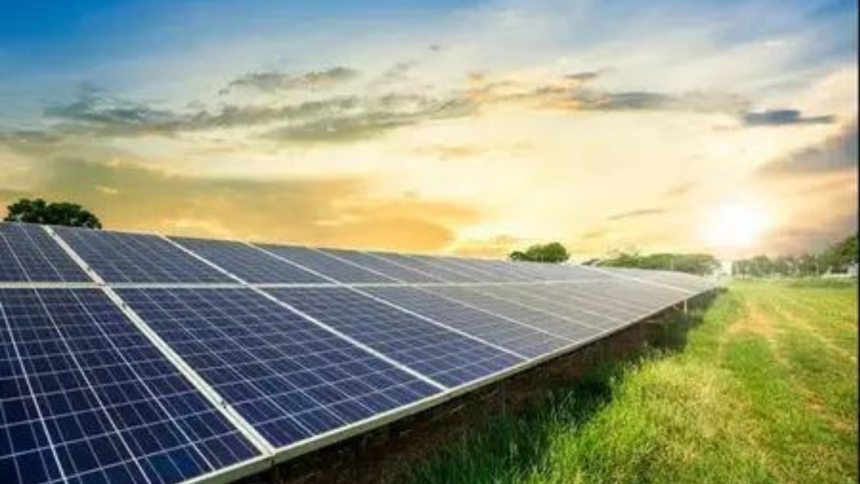
According to recent data, India’s renewable energy installed capacity has witnessed a staggering growth, with a significant increase in the contribution of solar and wind energy to the country’s total energy mix. The country’s solar energy capacity has grown from a mere 200 MW in 2010 to over 40 GW today, while wind energy capacity has expanded from 3,000 MW to over 40 GW during the same period. This remarkable progress has not only enhanced India’s energy security but also helped to reduce its carbon footprint.
International Recognition and Implications
India’s ascension to the third spot in global renewable energy rankings has earned international recognition, with the country being hailed as a model for other developing nations to follow. The International Renewable Energy Agency (IRENA) has commended India’s efforts in promoting renewable energy, citing its robust policies and ambitious targets as key factors in its success. The country’s commitment to renewable energy has also attracted significant foreign investment, with many international companies expressing interest in partnering with Indian entities to develop renewable energy projects.
The implications of India’s rise in renewable energy rankings are far-reaching, with potential benefits extending beyond the energy sector. A shift towards renewable energy can help to mitigate the impact of climate change, improve air quality, and enhance energy security. Moreover, the growth of the renewable energy sector is expected to create new job opportunities and stimulate local economies.
Future Prospects and Challenges
While India’s achievements in renewable energy are remarkable, there are still several challenges that need to be addressed to ensure sustained growth and progress. One of the key challenges is the need to bridge the gap between the existing energy infrastructure and the growing demand for renewable energy. Additionally, the lack of grid connectivity and storage infrastructure remains a major hurdle, requiring significant investment and policy intervention to overcome.
Despite these challenges, the future prospects for India’s renewable energy sector look promising, with the government committed to achieving 40% of its electricity generation from non-fossil fuels by 2030. The country’s renewable energy journey is expected to continue on an upward trajectory, with a likely doubling of its renewable energy capacity in the next few years.
As India continues to push the boundaries of renewable energy, the world will be watching with interest. With its ambitious targets, robust policies, and commitment to a sustainable future, India is poised to emerge as a leader in global renewable energy rankings, inspiring other nations to embark on a similar journey.