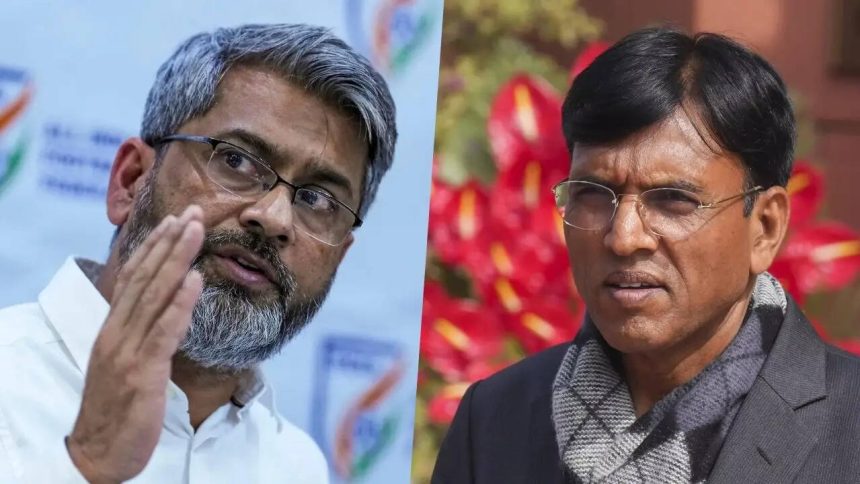
The Indian football landscape is set to undergo a significant transformation as the Indian Super League (ISL) clubs have tabled an ambitious four-year plan, marking a major milestone for the sport in the country. The proposal, which has been finalized after a series of discussions with the Union sports minister Mansukh Mandaviya, outlines a comprehensive roadmap for the growth and development of football in India. The minister’s assurance that the upcoming 2026-27 season will go ahead as planned has provided a huge boost to the clubs, who are now gearing up to take Indian football to the next level.
ISL Clubs’ Proposal and Its Implications
The ISL clubs’ proposal includes a detailed plan for the development of infrastructure, grassroots programs, and talent scouting, among other key areas. The clubs have also offered the All India Football Federation (AIFF) a whopping Rs 15.4 crore, which will be used to support the development of football at the grassroots level. This significant investment is expected to have a far-reaching impact on Indian football, with a focus on nurturing young talent and creating a sustainable ecosystem for the sport.
The proposal has been welcomed by football enthusiasts and experts, who believe that it has the potential to revolutionize the sport in India. With a clear roadmap in place, the ISL clubs are now well-equipped to take on the challenges of promoting football in the country, and the minister’s assurance has provided a much-needed impetus to the efforts. As the Indian football community looks to the future with renewed optimism, the success of the four-year plan will depend on the ability of the ISL clubs to work together with the AIFF and other stakeholders to create a cohesive and sustainable ecosystem for the sport.
Challenges Ahead and the Role of the AIFF
While the ISL clubs’ proposal has been widely hailed as a positive development, there are several challenges that need to be addressed in order to ensure the success of the four-year plan. One of the key areas of concern is the lack of infrastructure in many parts of the country, which can hinder the growth of football at the grassroots level. The AIFF will play a crucial role in addressing this issue, and the federation will need to work closely with the ISL clubs and other stakeholders to create a network of football facilities and training programs across the country.
The AIFF will also need to ensure that the Rs 15.4 crore offered by the ISL clubs is utilized effectively, with a focus on creating a sustainable and transparent system for the development of football at the grassroots level. This will require a high degree of coordination and cooperation between the AIFF, the ISL clubs, and other stakeholders, and the success of the four-year plan will depend on the ability of these parties to work together towards a common goal. As the Indian football community looks to the future with renewed optimism, the AIFF will need to demonstrate its commitment to transparency and accountability in order to build trust with the stakeholders and ensure the long-term success of the sport.
Future Prospects and the Road Ahead
The ISL clubs’ four-year plan has marked a major turning point for Indian football, and the sport is now poised for significant growth and development in the years to come. With a clear roadmap in place and a commitment to invest in grassroots programs and infrastructure, the ISL clubs are well-equipped to take Indian football to the next level. The minister’s assurance that the upcoming 2026-27 season will go ahead as planned has provided a huge boost to the clubs, and the Indian football community is now looking to the future with renewed optimism.
As the ISL clubs and the AIFF work together to implement the four-year plan, the focus will be on creating a sustainable and transparent ecosystem for the sport. With a commitment to nurturing young talent and promoting football at the grassroots level, the prospects for Indian football have never looked brighter. The success of the four-year plan will depend on the ability of the ISL clubs and the AIFF to work together with other stakeholders to create a cohesive and sustainable ecosystem for the sport, and the Indian football community will be watching with bated breath as the story unfolds.