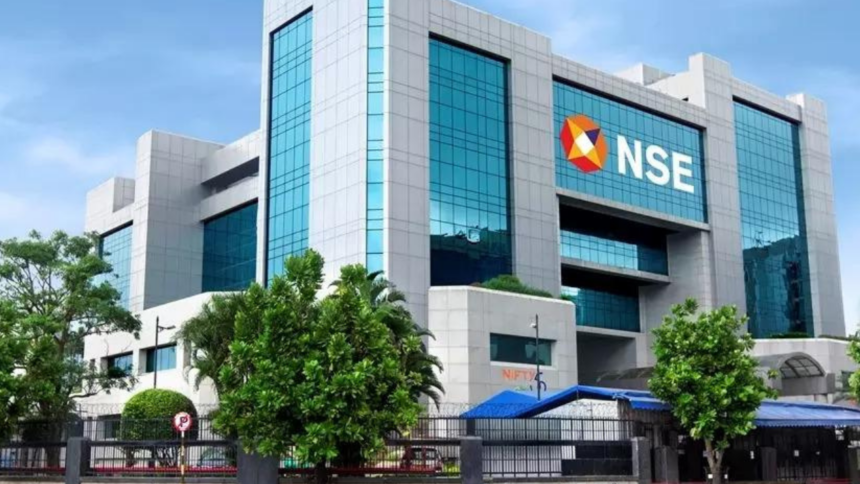
The Indian economy is poised for a crucial year in 2026, with the country’s macroeconomic outlook heavily dependent on the performance of the monsoon season. As the National Stock Exchange (NSE) highlights in its latest report, a strong monsoon is essential for boosting agricultural production, which in turn will have a positive impact on the overall economy. The NSE also notes that the expanding equity investor base in India, which is becoming increasingly younger and more diverse, will play a significant role in shaping the country’s economic trajectory in 2026.
Monsoon Performance: A Key Driver of Economic Growth
The monsoon season is a critical component of India’s economy, with agricultural production accounting for a significant portion of the country’s GDP. A strong monsoon can lead to increased crop yields, higher farm incomes, and lower food prices, all of which can have a positive impact on the overall economy. The NSE report notes that a normal monsoon can lead to a 0.5-1.0% increase in GDP growth, while a deficient monsoon can result in a 0.5-1.0% decrease in GDP growth.
The impact of the monsoon on the economy is not limited to the agricultural sector. A strong monsoon can also lead to increased demand for consumer goods, such as fertilizers, pesticides, and farm equipment, which can have a positive impact on the manufacturing sector. Additionally, a normal monsoon can lead to lower inflation, as food prices account for a significant portion of the Consumer Price Index (CPI) basket.
El Niño and Its Potential Impact on the Monsoon
However, the NSE report also highlights the potential risks posed by the El Niño phenomenon, which can have a negative impact on the monsoon season. El Niño is a complex weather pattern that occurs when the surface temperature of the Pacific Ocean warms up more than usual, leading to changes in atmospheric circulation patterns. This can result in below-normal rainfall in India, which can have a devastating impact on the agricultural sector and the overall economy.
The NSE report notes that the probability of an El Niño event in 2026 is currently estimated to be around 30-40%, which is higher than the historical average. If an El Niño event were to occur, it could lead to a significant decline in agricultural production, resulting in higher food prices and lower economic growth. The report highlights the need for policymakers to be prepared for such an eventuality and to take proactive measures to mitigate its impact.
Expanding Equity Investor Base: A Positive Trend for the Economy
Despite the potential risks posed by the monsoon and El Niño, the NSE report highlights a positive trend in the Indian economy – the expanding equity investor base. The report notes that the number of demat accounts in India has increased significantly in recent years, with the country’s equity investor base becoming increasingly younger and more diverse. This trend is expected to continue in 2026, with the NSE predicting that the number of demat accounts will increase by 15-20% in the next year.
The expanding equity investor base is a positive trend for the Indian economy, as it can lead to increased liquidity in the stock market, higher stock prices, and lower volatility. The report notes that the increasing participation of retail investors in the stock market can also lead to a more efficient allocation of capital, as investors are able to invest in a wider range of assets and sectors. Overall, the NSE report highlights the potential for India’s economy to continue growing in 2026, despite the potential risks posed by the monsoon and El Niño.
The Indian economy is poised for a crucial year in 2026, with the monsoon season and El Niño phenomenon posing significant risks. However, the expanding equity investor base and the increasing diversification of the economy are positive trends that can help mitigate these risks. As the NSE report highlights, a strong monsoon and a normal El Niño event can lead to increased economic growth, higher agricultural production, and lower inflation. With the right policies and proactive measures, India can navigate the challenges posed by the monsoon and El Niño and achieve its economic growth targets in 2026.