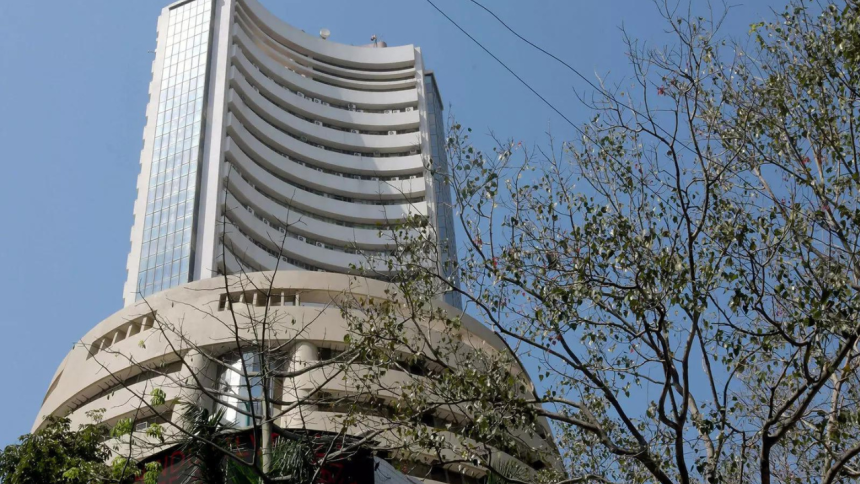
The Indian stock market has been on a tear, with the Sensex consistently reaching new heights. The optimism surrounding the market is palpable, and a recent forecast by Morgan Stanley suggests that the Sensex could hit a staggering 95,000 points by December. This prediction is based on a handful of key factors that are expected to drive growth and propel the market to unprecedented levels. The forecast has sent shockwaves of excitement through the investor community, with many eagerly anticipating the potential windfall.
Market Drivers
The Morgan Stanley report highlights several key drivers that are expected to contribute to the Sensex’s ascent. One of the primary factors is the country’s rapid economic growth, which is expected to continue unabated. The report also cites the government’s efforts to boost infrastructure development, simplify tax policies, and encourage foreign investment as major catalysts for growth. Additionally, the increasing participation of retail investors in the market is expected to provide a significant boost to the Sensex. As more and more individuals enter the market, the demand for stocks is likely to increase, driving up prices and pushing the index higher.
The report also notes that the current valuation of the Sensex is reasonable, considering the strong earnings growth projected for the next few quarters. The price-to-earnings ratio, a key metric used to evaluate the valuation of stocks, is expected to remain stable, providing further impetus to the market’s upward trajectory. Furthermore, the Reserve Bank of India’s monetary policy is expected to remain accommodative, with interest rates likely to remain low, making borrowing cheaper and increasing the attractiveness of stocks as an investment option.
Challenges and Risks
While the forecast is undoubtedly optimistic, there are several challenges and risks that could potentially derail the Sensex’s ascent. One of the primary concerns is the ongoing pandemic, which continues to cast a shadow over the global economy. Any resurgence in cases or a slowdown in vaccination efforts could lead to a decline in investor sentiment, causing the market to plummet. Additionally, the rising crude oil prices and the potential for inflation to spike could also negatively impact the market.
The report also cautions that the market’s reliance on a few large-cap stocks could be a cause for concern. If these stocks were to experience a decline, the entire market could be affected, leading to a sharp correction. Moreover, the increasing competition from other emerging markets, such as China and Brazil, could also pose a challenge to India’s growth story. As such, investors need to be cautious and carefully evaluate the risks and challenges before making any investment decisions.
Investor Outlook
Despite the potential challenges and risks, the overall outlook for the Indian stock market remains positive. The Morgan Stanley report suggests that investors should remain invested in the market, with a long-term perspective. The report advises investors to focus on high-quality stocks with strong earnings growth potential and a robust financial position. Additionally, investors should also consider diversifying their portfolios to minimize risk and maximize returns.
As the Sensex continues its upward journey, it is essential for investors to remain disciplined and patient. The market is likely to experience fluctuations, and investors should avoid making impulsive decisions based on short-term market movements. Instead, they should focus on their long-term goals and strategies, using the forecast as a guide to make informed investment decisions. With the right approach and a bit of luck, investors could be in for a wild ride as the Sensex eyes the 95,000-point mark by the end of the year.