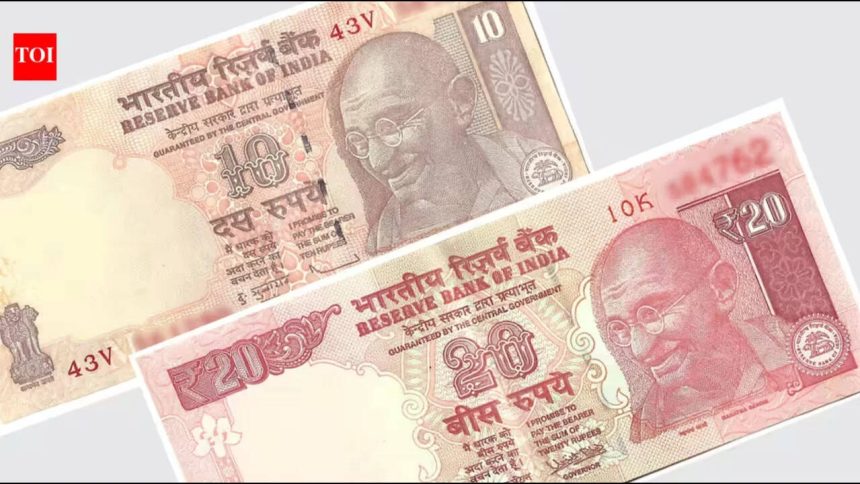
India is on the cusp of a major transformation in the way it conducts monetary transactions, with the Reserve Bank of India (RBI) gearing up to introduce polymer banknotes into circulation as early as the beginning of the next financial year, FY28. This groundbreaking move, which has been in the pipeline for several years, is expected to bring about a significant shift in the country’s banking sector, and promises to revolutionize the way Indians carry out financial transactions. At the heart of this transformation is the RBI’s decision to pilot the new currency substrate, following the government’s approval for large-scale field trials. The Centre has granted the RBI permission to print two billion pieces of polymer notes for the trials, marking a major milestone in the central bank’s efforts to modernize the country’s currency.
Revolutionizing the Currency Landscape
The introduction of polymer banknotes is set to disrupt the traditional banknote landscape in India, offering numerous benefits over the existing paper-based currency. For starters, polymer notes are more durable and resistant to wear and tear, reducing the risk of damage and counterfeiting. The new notes are also more secure, featuring advanced security features such as holograms, watermarks, and microprinting, which make it virtually impossible to replicate them. This enhanced security will not only reduce the risk of financial loss but also minimize the risk of terrorism financing, which is a major concern for the government. Furthermore, polymer notes are more environmentally friendly, as they can be recycled and reused, reducing the carbon footprint associated with traditional banknotes.
Another significant advantage of polymer notes is their increased lifespan, which is expected to be several years longer than traditional paper-based currency. This reduces the frequency of note replacements and minimizes the cost associated with maintaining a large inventory of banknotes. Additionally, the RBI plans to introduce a range of innovative features on the new notes, including a unique serial number, a security thread, and a raised print, which will make it easier for visually impaired individuals to identify and authenticate the notes.
A New Era for India’s Banking Sector
The introduction of polymer banknotes marks a significant milestone in India’s journey towards a cashless economy. The RBI’s efforts to modernize the country’s currency are closely aligned with the government’s vision of promoting digital payments and reducing cash transactions. The new notes are expected to play a key role in promoting financial inclusion, particularly in rural areas where access to digital payment infrastructure is limited. By increasing the availability of secure and durable currency, the RBI is taking a crucial step towards reducing the risk of financial exclusion and promoting economic growth.
As the RBI prepares to launch the new polymer notes, the banking sector is gearing up for a major transformation. Banks are expected to upgrade their infrastructure to accommodate the new notes, including installing new security features and updating their software to detect and authenticate the polymer notes. The introduction of polymer notes is expected to create new opportunities for banks to offer innovative services and products, such as mobile banking and digital wallets, which will further accelerate the country’s shift towards a cashless economy.
What’s Next for India’s Currency?
As India embarks on this exciting journey towards a modernized currency, there are several key areas that the RBI needs to focus on. Firstly, the central bank needs to ensure a smooth transition to the new notes, minimizing disruptions to financial transactions and ensuring that the public is well-informed about the changes. Secondly, the RBI needs to address concerns about the cost of implementing the new currency substrate, which is expected to be a significant investment. Finally, the RBI needs to continue to innovate and adapt to changing technology to stay ahead of the curve in terms of currency security and convenience.
As the RBI takes the next step towards introducing polymer banknotes into circulation, India is poised to enter a new era of currency innovation. The introduction of these advanced notes promises to bring about a significant shift in the country’s banking sector, promoting financial inclusion, reducing the risk of financial exclusion, and accelerating the country’s shift towards a cashless economy. As the country embarks on this exciting journey, one thing is clear – India’s currency is about to get a major makeover, and it’s going to be a wild ride.