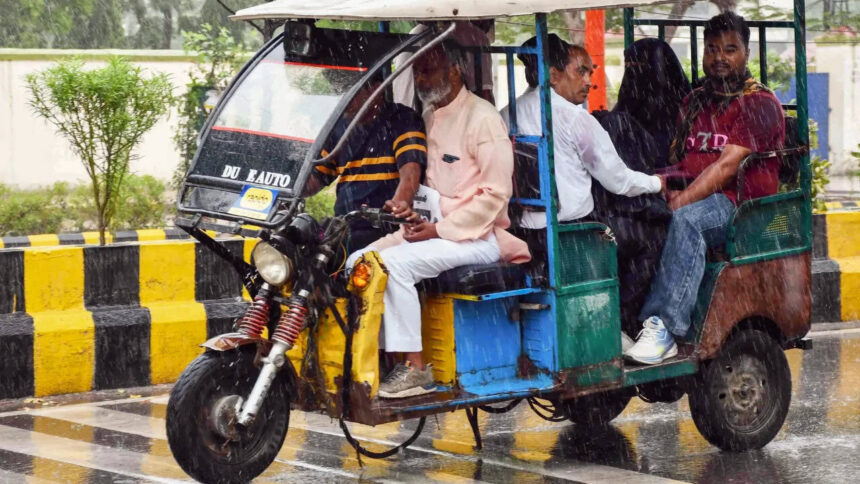
The Centre’s latest move to block three Chinese battery-management apps from major app stores marks a significant escalation in India’s ongoing digital vigilance. Google and Apple have been ordered to remove BAT-BMS, Lossigy and Epoch-i-ion from their platforms following concerns that the apps were being misused to remotely disable battery-operated vehicles, including e-rickshaws. This decision comes nearly six years after India’s first major digital strike against Chinese apps, but it signals a shift in the nature of the threat, from data security and financial fraud to remote interference with connected devices on Indian roads.
Remote Threats on Indian Roads
Experts say the misuse of these Chinese apps poses a significant risk to the safety and livelihoods of millions of e-rickshaw drivers who rely on these vehicles for their income. The apps, designed to manage battery life and optimize performance, can be manipulated to shut down e-rickshaws remotely, leaving drivers stranded and vulnerable to exploitation. This is particularly concerning in a country where e-rickshaws have become a vital mode of transportation, especially in rural areas.
Industry insiders point out that the lack of strict regulations and oversight in the e-rickshaw sector has created an environment conducive to such malpractices. They stress the need for stricter laws and regulations to prevent the misuse of technology and ensure the safety and security of connected devices.
Cybersecurity Concerns and Data Sovereignty
The Centre’s move to block these Chinese apps is also seen as a step towards addressing long-standing cybersecurity concerns and data sovereignty issues. India has been grappling with the issue of Chinese apps collecting sensitive user data, often without explicit consent. The ban on these apps is expected to send a strong message to other tech companies that India will not tolerate any form of data exploitation or remote interference with connected devices.
Experts believe that this decision will have a positive impact on India’s digital landscape, promoting a safer and more secure online environment for citizens. They also emphasize the need for greater transparency and accountability from tech companies operating in India, particularly when it comes to data collection and usage.
Shifting Focus from Data Security to Connected Devices
The Centre’s decision to block these Chinese apps marks a significant shift in focus from data security and financial fraud to remote interference with connected devices. This development highlights the growing importance of cybersecurity in India and the need for a more proactive approach to addressing emerging threats.
As India continues to digitalize and increasingly rely on connected devices, the Centre’s move is seen as a crucial step towards ensuring the safety and security of its citizens. It underscores the importance of a robust cybersecurity framework that addresses the unique challenges posed by connected devices and remote interference.
The Centre’s decision to block these Chinese apps is a testament to its commitment to protecting India’s digital interests and promoting a safer online environment for its citizens. As the country continues to navigate the complexities of the digital age, it is clear that cybersecurity will remain a top priority for the Centre.