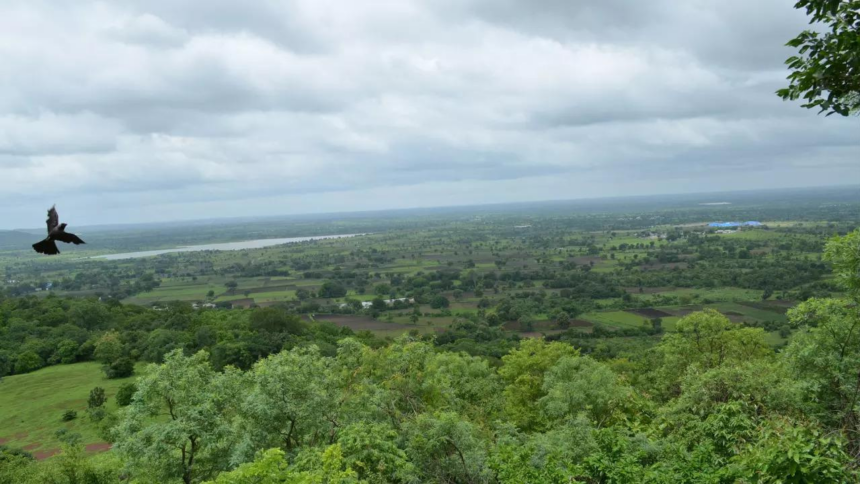
As the world grapples with the devastating consequences of climate change, soil degradation, and desertification, India has made a remarkable stride in its commitment to restoring its degraded lands. On the World Day to Combat Desertification and Drought, the country released its second progress report on the Bonn Challenge, a voluntary commitment to restore 26 million hectares of degraded land by 2030. The report reveals that India has successfully brought 21.7 million hectares of degraded land under restoration, leaving it well on track to meet its ambitious target.
A Decade of Progress and Partnerships
The journey to this milestone has been a decade-long endeavor, marked by the tireless efforts of government agencies, civil society organizations, and local communities. Telangana, a state in southern India, has been at the forefront of this movement, with its innovative approaches and collaborative spirit setting a precedent for other states to follow. The state’s efforts have been bolstered by the support of major organizations such as the World Agroforestry Centre and the Food and Agriculture Organization of the United Nations.
The restoration efforts in Telangana have primarily focused on reforestation, with millions of trees being planted across the state. This initiative not only helps to combat desertification but also enhances biodiversity, supports local livelihoods, and improves the overall quality of life for the communities affected. Moreover, the state has implemented a range of policies and programs aimed at promoting sustainable land management practices, such as the Telangana Forest Department’s ‘Green War Room’ initiative, which provides real-time monitoring and support to forest restoration efforts.
From Degradation to Regeneration: Success Stories
One of the most striking success stories from Telangana is the remarkable turnaround of the Nallamala Hills, a region that was once considered a degraded and barren wasteland. Thanks to the concerted efforts of local communities, government agencies, and NGOs, the hills have been transformed into a lush green landscape, teeming with life and biodiversity. The regeneration of the Nallamala Hills not only serves as a testament to the power of collaborative conservation but also showcases the potential for large-scale land restoration in India.
Another notable example is the ‘Telangana Ranks First’ initiative, which aims to create a massive green cover across the state. This ambitious project has seen the planting of millions of trees across Telangana, with the state’s capital, Hyderabad, being transformed into a ‘City of Trees.’ The initiative has not only improved the aesthetic appeal of the city but also enhanced its air quality and provided a habitat for local wildlife.
The Road Ahead: Scaling Up and Sustaining Momentum
As India continues to make strides in its land restoration efforts, there is a growing recognition that the journey ahead will be just as challenging as the one already traversed. To achieve its 2030 commitment, the country will need to scale up its restoration efforts, mobilize additional resources, and strengthen its partnerships with local communities, NGOs, and international organizations. Moreover, there is a pressing need to address the root causes of land degradation, including unsustainable agricultural practices, climate change, and human-induced disturbances.
Despite these challenges, India’s progress in land restoration has sent a powerful message to the world: that it is possible to transform degraded lands into thriving ecosystems, and that collective action can lead to remarkable results. As the country looks to the future, it is clear that the journey to achieving its 2030 commitment will be marked by continued innovation, collaboration, and a deep commitment to preserving the natural world.