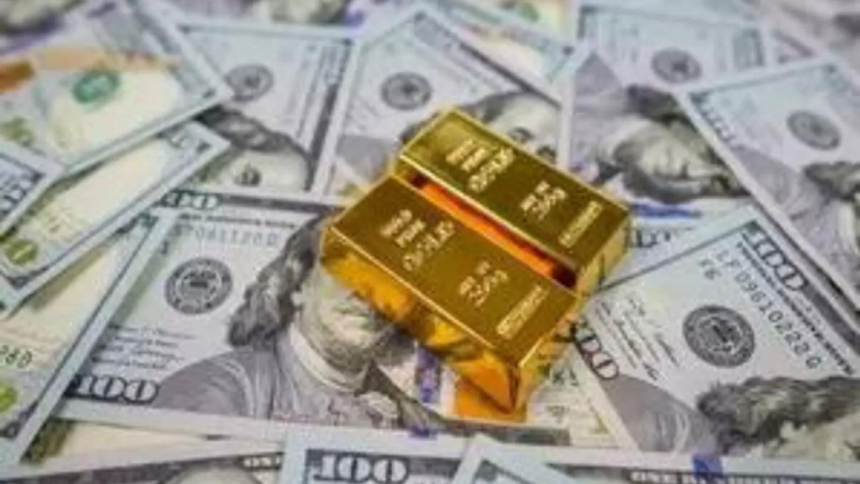
India’s appetite for gold has never been stronger, with imports of the precious metal soaring to a staggering $69 billion during the April-February period of the 2025-26 fiscal year. This significant jump of 28.73% from the previous year has been driven by elevated gold prices, which have been on a steady rise due to global economic uncertainty and a weak dollar. As a result, India’s trade deficit has widened, sparking concerns among economists and policymakers about the country’s balance of payments and the impact on its currency.
Driving Factors Behind the Gold Rush
The main driver behind this surge in gold imports has been the increasing demand for the precious metal from Indian households and industries. Gold is an integral part of Indian culture, with the metal being used extensively in jewelry, coins, and other forms of investment. The recent price rise has not deterred buyers, who see gold as a safe-haven asset and a hedge against inflation. Furthermore, the government’s decision to reduce import duties on gold has also contributed to the increased demand, making it more accessible to buyers.
The demand for gold is not only driven by individual buyers but also by industries such as jewelry manufacturing, which is a significant sector in India. The country is one of the largest consumers of gold in the world, and the jewelry industry is a major contributor to its economy. The increased demand for gold has also led to a rise in smuggling activities, with many unscrupulous traders attempting to evade duties and taxes by bringing in gold through unofficial channels.
Impact on India’s Trade Deficit
The widening trade deficit has sparked concerns among economists, who fear that it could lead to a depreciation of the Indian rupee against the US dollar. A weak currency can make imports more expensive, which could further fuel inflation and impact the country’s economic growth. The trade deficit has widened to $143.6 billion during the April-February period, with gold imports being a significant contributor to this rise. The government has been trying to curb the trade deficit by imposing duties on non-essential imports and promoting exports, but the rise in gold imports has offset these efforts.
The impact of the trade deficit on the Indian economy is a complex issue, with both positive and negative effects. On the one hand, a weak currency can make Indian exports more competitive in the global market, which could lead to an increase in export revenues. On the other hand, a rising trade deficit can lead to a decrease in investor confidence, which could impact the country’s ability to attract foreign investment. The government needs to find a balance between promoting economic growth and managing the trade deficit, which is a challenging task.
Way Forward for India’s Gold Market
The Indian government has been trying to promote gold recycling and reduce the country’s dependence on imports. The government has launched several initiatives, such as the Gold Monetization Scheme, which allows households to deposit their gold with banks and earn interest on it. The scheme aims to mobilize the large amount of gold lying idle in Indian households and reduce the need for imports. However, the success of these initiatives has been limited, and the government needs to do more to promote gold recycling and reduce the trade deficit.
As the Indian economy continues to grow, the demand for gold is likely to remain strong. The government needs to find a way to balance this demand with the need to manage the trade deficit and promote economic growth. This can be achieved by promoting gold recycling, reducing import duties, and encouraging the use of gold as a financial asset. With the right policies in place, India can reduce its dependence on gold imports and promote a more sustainable and equitable economic growth model. The future of India’s gold market is complex and challenging, but with the right approach, it can also be a major driver of economic growth and development.