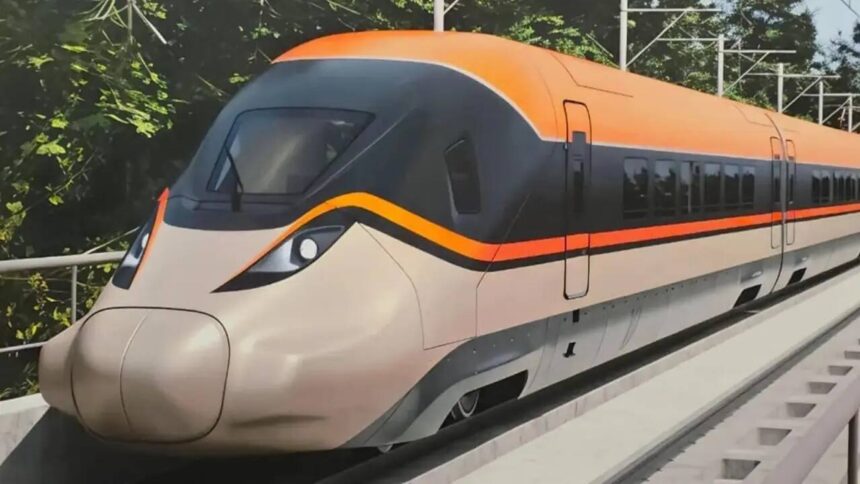
India’s ambitious plan to revolutionize its rail network is gaining momentum with the introduction of indigenous signalling systems for its upcoming high-speed corridors. The country’s first bullet train project, which will connect Mumbai and Ahmedabad, has paved the way for the development of in-house advanced signalling systems. This move is expected to not only reduce dependence on foreign technology but also provide a boost to the country’s manufacturing sector. With the Indian Railways aiming to achieve new milestones in manufacturing, the stage is set for a significant transformation in the country’s rail infrastructure.
Indigenous Signalling System: A Major Breakthrough
The development of an indigenous signalling system is a major breakthrough for the Indian Railways. The system, which will be designed and manufactured in India, will be used in the upcoming high-speed corridors, including the Delhi-Mumbai and Delhi-Kolkata routes. This will not only reduce the cost of imports but also provide a significant boost to the country’s economy. The signalling system will be equipped with advanced features, including automatic train control and collision avoidance systems, to ensure safe and efficient operation of trains.
The Indian Railways has already begun working on the design and development of the signalling system, with a team of experts from the Centre for Advanced Maintenance Technology (CAMTECH) and the Indian Institute of Technology (IIT) working on the project. The system is expected to be ready for deployment in the next few years, with the first phase of the project expected to be completed by 2025. The introduction of the indigenous signalling system will also provide a significant boost to the country’s manufacturing sector, with several Indian companies expected to be involved in the production of the system.
Benefits Of Indigenous Signalling System
The introduction of an indigenous signalling system will have several benefits for the Indian Railways. Firstly, it will reduce the dependence on foreign technology, which will not only save foreign exchange but also provide a significant boost to the country’s economy. Secondly, it will provide a significant boost to the country’s manufacturing sector, with several Indian companies expected to be involved in the production of the system. Thirdly, it will provide a significant improvement in the safety and efficiency of train operations, with the advanced features of the system reducing the risk of accidents and improving the punctuality of trains.
The Indian Railways is also expecting a significant reduction in maintenance costs with the introduction of the indigenous signalling system. The system will be designed to be more reliable and require less maintenance, which will not only reduce the cost of maintenance but also improve the overall efficiency of the rail network. The introduction of the indigenous signalling system will also provide a significant boost to the country’s research and development sector, with several Indian institutions expected to be involved in the development of the system.
Future Of High-Speed Rail In India
The introduction of an indigenous signalling system is a significant step towards the development of high-speed rail in India. The country is planning to develop several high-speed corridors, including the Delhi-Mumbai and Delhi-Kolkata routes, which will be equipped with advanced signalling systems. The development of high-speed rail will not only provide a significant boost to the country’s economy but also provide a significant improvement in the connectivity and efficiency of the rail network.
The Indian Railways is expecting a significant increase in the speed of trains with the introduction of the high-speed corridors, with trains expected to run at speeds of up to 320 km per hour. The development of high-speed rail will also provide a significant reduction in travel time, with the journey between Delhi and Mumbai expected to be reduced to just 12 hours. The introduction of high-speed rail will also provide a significant boost to the country’s tourism sector, with several tourist destinations expected to be connected by the high-speed corridors. As the Indian Railways continues to work towards achieving its goal of developing a world-class rail network, the introduction of an indigenous signalling system is a significant step in the right direction.