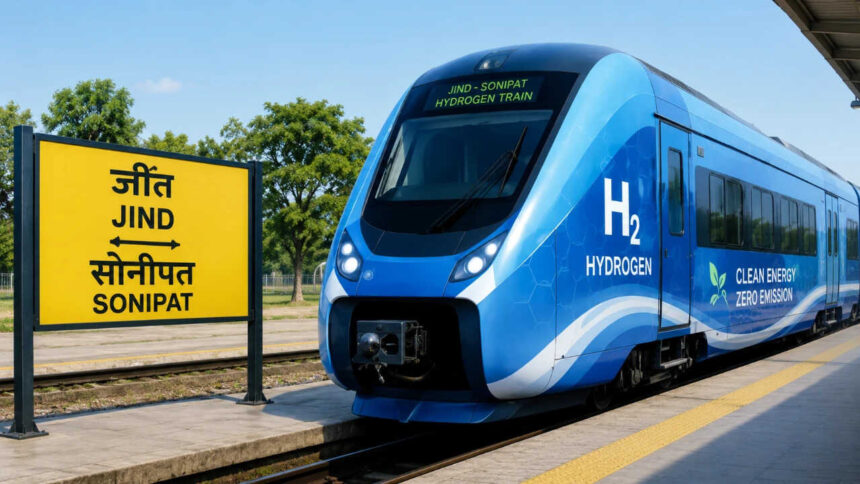
India is on the cusp of a rail revolution with the introduction of its first swadeshi hydrogen train, a futuristic, smoke-free, and pollution-free mode of transportation that promises to transform the way people travel. The train, powered by a 1200-kilowatt engine, will operate at a maximum speed of 75 kilometers per hour, making it an attractive option for both passengers and the environment. With its cutting-edge technology and sustainable design, this train is set to become a benchmark for the future of rail travel in India.
Introduction to Hydrogen Trains
The concept of hydrogen trains is not new, but India’s foray into this technology is a significant milestone. Hydrogen trains use hydrogen fuel cells to generate electricity, which powers the train’s engines. This technology has several advantages, including zero emissions, reduced noise pollution, and increased energy efficiency. The Indian Railways has been working tirelessly to develop this technology, and the result is a train that is not only environmentally friendly but also a testament to the country’s engineering prowess.
The development of the hydrogen train is a result of collaboration between Indian Railways and various industry partners. The train’s design and manufacturing process have been carefully planned to ensure that it meets the highest standards of safety and quality. With a focus on sustainability, the train’s hydrogen fuel cells are designed to be refueled at designated stations, reducing the need for external power sources and minimizing the carbon footprint of the train’s operation.
Benefits and Impact
The introduction of the hydrogen train is expected to have a significant impact on India’s rail network. With its reduced emissions and increased energy efficiency, the train will contribute to a cleaner and healthier environment. The train’s quiet operation will also reduce noise pollution, making it a more pleasant experience for passengers. Furthermore, the train’s advanced technology will provide a smoother and more comfortable ride, enhancing the overall travel experience.
The hydrogen train will also have economic benefits, as it will reduce India’s reliance on fossil fuels and lower operating costs. The train’s fuel cells are designed to be more efficient than traditional diesel engines, resulting in significant cost savings over time. Additionally, the train’s sustainable design will attract tourists and locals alike, boosting the country’s tourism industry and contributing to local economic growth.
Future Plans and Expansion
Indian Railways has ambitious plans to expand its hydrogen train network, with plans to introduce more trains in the coming years. The railway authority is working to develop the necessary infrastructure, including hydrogen refueling stations and maintenance facilities. The expansion of the hydrogen train network will not only reduce the country’s carbon footprint but also provide a reliable and efficient mode of transportation for millions of passengers.
As India continues to push the boundaries of innovation and sustainability, the introduction of the hydrogen train is a significant step towards a cleaner and more efficient transportation system. With its cutting-edge technology and environmentally friendly design, the hydrogen train is set to revolutionize the way people travel in India, and its impact will be felt for generations to come.