The microfinance sector in India is witnessing a significant shift, with a growing number of individuals opting for regulated lenders over informal sources of credit. Moneylenders, who have long been the primary source of borrowing for millions of Indians, are slowly being displaced by formal microfinance institutions. This structural change is driven by a combination of factors, including the increasing awareness of the risks associated with borrowing from informal lenders and the growing availability of affordable credit options.
Regulated Lenders Gain Traction
Regulated lenders, such as non-banking financial companies (NBFCs) and banks, are increasingly popular among borrowers, particularly in rural areas where access to formal credit has historically been limited. These institutions offer a range of benefits, including lower interest rates, flexible repayment terms, and a more transparent credit process. As a result, the number of borrowers opting for regulated lenders has risen significantly, with many individuals opting to switch from informal sources to formal credit.
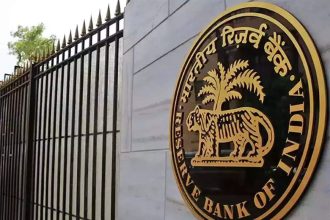
The growth of regulated lenders is also driven by the increasing regulatory framework, which has made it easier for these institutions to operate in the country. The Reserve Bank of India (RBI) has introduced several measures to promote the growth of microfinance, including the creation of a separate regulatory framework for NBFCs and the introduction of guidelines to ensure that these institutions operate in a transparent and responsible manner.
Informal Credit Markets Losing Ground
The informal credit market, which has long been dominated by moneylenders, is facing significant challenges in the wake of the growing popularity of regulated lenders. Moneylenders, who have traditionally charged exorbitant interest rates and imposed harsh repayment terms, are struggling to compete with the more affordable and transparent credit options offered by formal lenders. As a result, the number of borrowers opting for informal credit has declined significantly, with many individuals seeking alternative sources of financing.
The decline of the informal credit market is also driven by the increasing awareness of the risks associated with borrowing from moneylenders. Many individuals have lost their savings and livelihoods due to the harsh repayment terms and exorbitant interest rates imposed by moneylenders. As a result, there is a growing preference for formal credit, which offers a more secure and transparent borrowing experience.
Ripple Effects on the Economy
The shift towards formal credit is having a positive impact on the economy, with several benefits flowing from this structural change. The growth of regulated lenders is contributing to the development of the rural economy, with more individuals and businesses gaining access to affordable credit. This, in turn, is promoting economic growth and reducing poverty levels in rural areas. Additionally, the growth of formal credit is also reducing the risk of debt traps and financial instability, which are common in informal credit markets.
While there are still challenges to be addressed, the shift towards formal credit is a significant step towards promoting financial inclusion and reducing poverty levels in India. As the microfinance sector continues to evolve, it is likely that regulated lenders will play an increasingly important role in providing affordable credit to millions of Indians.