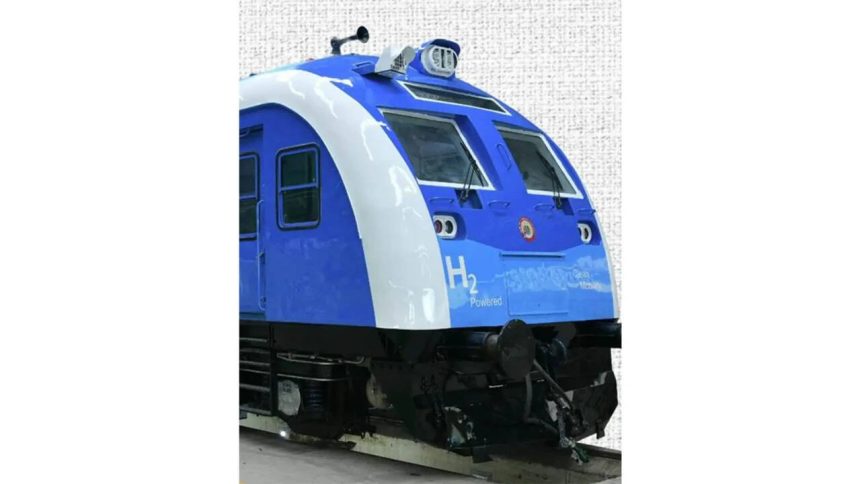
Indian Railways has taken a significant leap towards a greener and more sustainable future with the approval of the country’s first indigenous hydrogen train. The 10-car Hydrogen Fuel Cell-based trainset will be introduced on the Jind-Sonipat section of Northern Railway, marking a major milestone in the railway’s efforts to reduce its carbon footprint. This innovative move is expected to not only benefit the environment but also provide a smoother and more comfortable travel experience for passengers. The introduction of the hydrogen train is a testament to Indian Railways’ commitment to embracing cutting-edge technology and finding alternative solutions to traditional fossil fuels.
Introduction to Hydrogen Fuel Cell Technology
Hydrogen fuel cell technology has been gaining traction globally as a cleaner and more efficient alternative to traditional diesel-powered trains. The technology uses hydrogen to generate electricity, which powers the train, producing only water and heat as emissions. This makes it an attractive option for countries looking to reduce their greenhouse gas emissions and mitigate the impacts of climate change. Indian Railways’ decision to adopt this technology is a significant step forward in its efforts to modernize and decarbonize its operations.
The introduction of the hydrogen train on the Jind-Sonipat route is also expected to have a positive impact on the local economy. The train will provide a faster and more reliable mode of transportation for commuters and freight, boosting trade and commerce in the region. Additionally, the use of hydrogen fuel cell technology is expected to create new job opportunities in the maintenance and operation of the trains, contributing to the overall growth and development of the area.
Benefits and Challenges of Hydrogen Fuel Cell Trains
The benefits of hydrogen fuel cell trains are numerous. They offer a significant reduction in greenhouse gas emissions, making them a more environmentally friendly option compared to traditional diesel-powered trains. They also provide a smoother and quieter ride, improving the overall travel experience for passengers. Furthermore, hydrogen fuel cell trains have the potential to reduce operating costs, as they require less maintenance and have a longer lifespan compared to traditional trains.
However, there are also challenges associated with the introduction of hydrogen fuel cell trains. One of the major hurdles is the high upfront cost of investment in the technology and infrastructure. The development of hydrogen refueling stations and the production of hydrogen fuel are also significant challenges that need to be addressed. Moreover, the storage and transportation of hydrogen require specialized equipment and handling, adding to the complexity and cost of the operation.
Future of Sustainable Transportation in India
The introduction of the hydrogen train on the Jind-Sonipat route is a significant milestone in India’s journey towards sustainable transportation. The country has set ambitious targets to reduce its greenhouse gas emissions and transition to cleaner modes of transportation. The use of hydrogen fuel cell technology in the railway sector is expected to play a major role in achieving these targets, and Indian Railways is committed to expanding its fleet of hydrogen trains in the coming years.
As India continues to grow and develop, the demand for transportation is expected to increase significantly. The introduction of sustainable modes of transportation, such as hydrogen fuel cell trains, will be crucial in meeting this demand while minimizing the impact on the environment. The success of the hydrogen train on the Jind-Sonipat route will pave the way for the adoption of this technology in other parts of the country, contributing to a cleaner, greener, and more sustainable future for India.