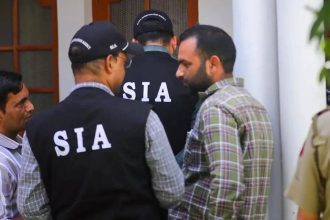
The Jammu and Kashmir administration has taken a significant step towards addressing concerns over the spread of extremist ideologies in the valley by banning the Jamia Siraj-ul-Uloom, an educational group reportedly linked to the banned Jamaat-e-Islami. This move comes as part of a broader effort to strengthen the anti-terror machinery in the region, and it is expected to send a strong message to other outfits that may be harboring similar intentions.
The Jamia Siraj-ul-Uloom, with its headquarters in Srinagar, has been accused of promoting a culture of intolerance and extremism among its students, allegedly fostering an environment that encourages radicalization. The administration has cited several instances of the group’s alleged involvement in anti-national activities, including spreading hate propaganda and supporting separatist movements. By taking this decision, the government aims to prevent the spread of such ideologies and protect the state’s youth from falling prey to radicalization.
The ban on Jamia Siraj-ul-Uloom is also seen as a step towards reining in the influence of Jamaat-e-Islami, which has been banned by the Centre for its alleged involvement in terrorist activities in the region. The Jamaat has been accused of providing logistical and financial support to militant outfits, including the Hizbul Mujahideen and the Lashkar-e-Taiba. The Centre has designated Jamaat-e-Islami as a terrorist organization under the Unlawful Activities Prevention Act (UAPA), which has empowered the authorities to crack down on its activities and seize its assets.
A Deep-Rooted Network?
The Jamia Siraj-ul-Uloom has been operating in Jammu and Kashmir for several decades, with a network of branches across the valley. The group has been involved in various educational and social activities, including running schools, colleges, and madrasas. However, the administration has raised concerns over the group’s alleged links with Jamaat-e-Islami and its involvement in anti-national activities. The Centre has also accused Jamaat-e-Islami of having a deep-rooted network in the valley, with operatives working to spread its ideology and recruit new members.
Several former students of the Jamia Siraj-ul-Uloom have come forward to share their experiences, alleging that the group’s teachers and administrators had encouraged them to participate in anti-India activities and harbor anti-national sentiments. They claimed that the group’s curriculum was heavily influenced by Jamaat-e-Islami’s ideology, which emphasized the importance of armed struggle against the Indian state. The students also alleged that the group’s administrators had ties with militant outfits and had provided them with financial and logistical support.
A Long and Winding Road
The ban on Jamia Siraj-ul-Uloom is a significant development in the Centre’s efforts to tackle the spread of extremist ideologies in the valley. However, it is just one step in a long and winding road towards achieving this goal. The Centre will need to work tirelessly to dismantle the network of Jamaat-e-Islami and its affiliates, including Jamia Siraj-ul-Uloom. This will require a sustained effort to disrupt the group’s operations, seize its assets, and bring its leaders to justice.
The Centre will also need to address the root causes of radicalization in the valley, including poverty, unemployment, and social exclusion. This will require a comprehensive approach that involves the development of infrastructure, provision of employment opportunities, and promotion of social inclusion. By addressing these issues, the Centre can reduce the appeal of extremist ideologies and promote a culture of peace and tolerance in the valley.
A New Era of Accountability
The ban on Jamia Siraj-ul-Uloom marks a new era of accountability for educational groups in Jammu and Kashmir. The Centre has made it clear that it will not tolerate any group that promotes anti-national activities or spreads extremist ideologies. This decision sets a precedent for other educational groups in the valley, which will need to ensure that their activities are in accordance with the law and do not promote anti-India sentiments.
The ban on Jamia Siraj-ul-Uloom is a significant step towards promoting peace and stability in the valley. It sends a strong message to other outfits that may be harboring similar intentions and serves as a reminder that the Centre will not hesitate to take action against any group that threatens the nation’s security. By working together, the Centre and the state government can create a new era of peace and prosperity in Jammu and Kashmir.
As the Centre continues to work towards strengthening the anti-terror machinery in the region, it is essential that it addresses the root causes of radicalization and promotes a culture of peace and tolerance. By doing so, the Centre can create a new era of accountability for educational groups in the valley and promote a brighter future for the state’s youth.