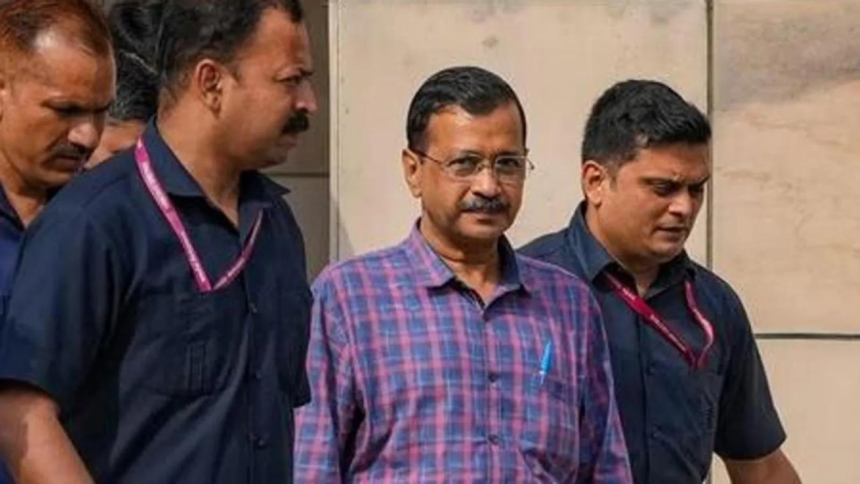
In a dramatic turn of events, the legal saga surrounding former Delhi Chief Minister Arvind Kejriwal and several other high-profile individuals has taken another unexpected twist. On Sunday, Kejriwal, along with his co-defendants, filed a recusal application before Justice Swarn Kanta Sharma of the Delhi High Court. The move is seen as a calculated attempt to secure a fair trial, free from potential biases and conflicts of interest. As the legal community watches with bated breath, the question on everyone’s mind is: will Kejriwal’s gamble pay off?
Kejriwal’s Decision: A Calculated Risk or a Desperate Attempt?
The decision to move for recusal is not one that Kejriwal and his team have taken lightly. By filing the application, they are effectively asking Justice Sharma to step down from the case, citing concerns that her impartiality may be compromised. The grounds for the recusal application are not immediately clear, but sources close to the case suggest that it may be related to the Judge’s alleged connections to the Central Government or her past rulings on cases involving the Delhi Government. While some have questioned the timing and motive behind Kejriwal’s move, his team remains resolute in their commitment to securing a fair trial.
Kejriwal’s decision to argue the case in person is also seen as a strategic move to gain greater control over the narrative and to ensure that his voice is heard in the court. By taking on the role of his own counsel, he aims to counter any potential criticisms that may arise from his past actions as Chief Minister. His team has maintained that this move is not a desperate attempt to avoid accountability but rather a necessary step to ensure that justice is served.
The High Court’s Ruling: A Precedent-Setting Decision?
The Delhi High Court’s ruling on the recusal application will have far-reaching implications for the case and, potentially, for the judicial system as a whole. If Justice Sharma were to grant the recusal application, it would set a precedent for future cases where defendants may challenge the impartiality of judges. On the other hand, if the application is rejected, it could be seen as a setback for Kejriwal and his team, potentially undermining their chances of securing a fair trial.
The court’s decision will also have significant consequences for the Central Government, which has been accused of interfering in the case. If the recusal application is granted, it could lead to a re-examination of the Government’s role in the case and potentially expose any irregularities or biases that may have influenced the proceedings.
The Road Ahead: A Delicate Balance of Power
As the Delhi High Court weighs the merits of Kejriwal’s recusal application, the stakes are higher than ever. The case has become a high-stakes battle of wills between the former Chief Minister and the Central Government. The outcome will not only determine the fate of Kejriwal and his co-defendants but also have far-reaching implications for the country’s judicial system.
The road ahead is fraught with challenges, and the balance of power is precarious. Will Kejriwal’s gamble pay off, or will the Central Government emerge victorious? Only time will tell, but one thing is certain: the verdict will have significant consequences for the country and its people.
As the legal community waits with bated breath for the court’s decision, one thing is clear: the fate of Kejriwal and his co-defendants hangs precariously in the balance. The High Court’s ruling will be watched closely by millions, and its implications will be felt for years to come.