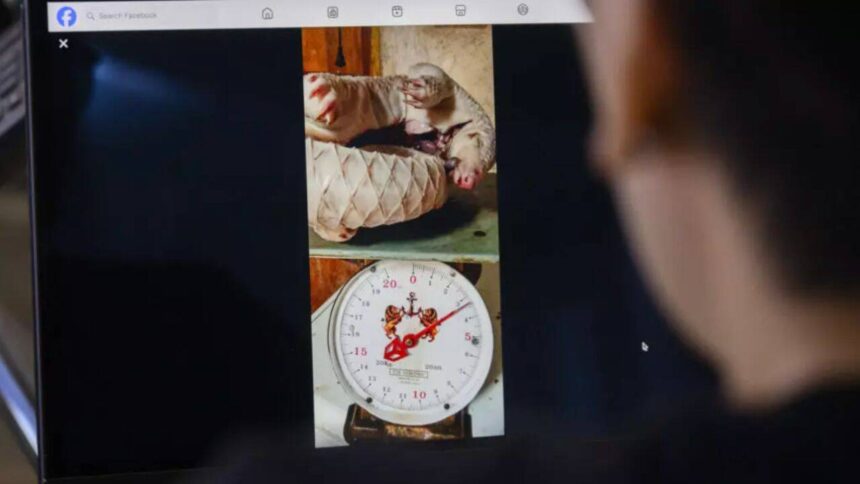
The social media giant has long been touted as a platform where users can connect with one another, share their experiences, and showcase their work. However, a recent exposé has revealed the darker side of Facebook’s operations – the company is unwittingly hosting the world’s largest known illegal wildlife trade market, with over 20,000 ads and 2,60,000 products being peddled on its platform.
Conservationists and wildlife experts have long been sounding the alarm on the impact of online wildlife trafficking, and this latest revelation has only served to highlight the severity of the issue. By allowing users to monetize their content, Facebook is inadvertently creating a lucrative incentive for individuals to engage in this illicit trade. The result is a platform that not only fails to prevent the trade but actively enables it.
Facebook’s Monetization Model: A Recipe for Disaster
At the heart of the problem lies Facebook’s monetization model, which allows users to earn money from their posts and content. While this may seem innocuous on the surface, it has a profound impact on the way users approach their online activities. For some, the lure of easy cash is too great to ignore, and they begin to exploit the platform for personal gain. In the case of wildlife trafficking, this means creating and selling ads for endangered species, often with the promise of exotic pets or medicinal products.
The issue is further compounded by Facebook’s lax moderation policies, which often fail to identify and remove illicit content. This creates a sense of impunity among users, who believe they can operate with relative anonymity on the platform. As a result, the wildlife trafficking market flourishes, with new ads and products being added to the site on a daily basis.
The Human Cost of Wildlife Trafficking
But the impact of wildlife trafficking goes far beyond just the animals themselves. The trade has a devastating impact on local communities, who often find themselves caught in the crossfire. Poachers, who are often armed and well-funded, will stop at nothing to acquire the species they need, regardless of the cost to human life.
The consequences of this trade are stark. In many parts of the world, entire ecosystems are being decimated, leaving behind a trail of destruction and chaos. The loss of biodiversity is a significant concern, but it is not the only issue at play. Wildlife trafficking also has a profound impact on human health, as the trade in medicinal products often involves the use of endangered species.
A Call to Action
So what can be done to address this pressing issue? The first step is for Facebook to take responsibility for its actions and implement stricter moderation policies. This means identifying and removing illicit content, as well as taking steps to prevent users from monetizing their wildlife trafficking activities.
But Facebook is not alone in this fight. Governments, conservation organizations, and individuals all have a role to play in preventing wildlife trafficking. By working together, we can create a safer, more sustainable online environment that protects both humans and animals.
As we look to the future, it is clear that the fight against wildlife trafficking will be a long and difficult one. But with determination, courage, and a commitment to justice, we can make a difference and create a world where humans and animals can coexist in harmony.