A sense of unease has settled over the state of Gujarat, where a mysterious string of child deaths has been linked to the Chandipura virus, a rare and deadly disease that has left health officials scrambling to contain its spread. The minister of state for health, Praful Pansheriya, revealed on Monday that 22 deaths are suspected to be connected to the outbreak, with results for 11 samples still pending. As the investigation continues, families are left to pick up the pieces and wonder how this could have happened in their community.
Understanding the Outbreak
The Chandipura virus, a type of acute encephalitis, is a serious and sometimes fatal disease that affects the brain and nervous system. It is typically spread through the bite of an infected sandfly, and symptoms can range from mild to severe, including fever, headache, and confusion. In severe cases, the virus can cause seizures, coma, and even death. The fact that 22 deaths are suspected to be linked to the outbreak has raised concerns about the effectiveness of the state’s healthcare system and its ability to respond to public health crises.
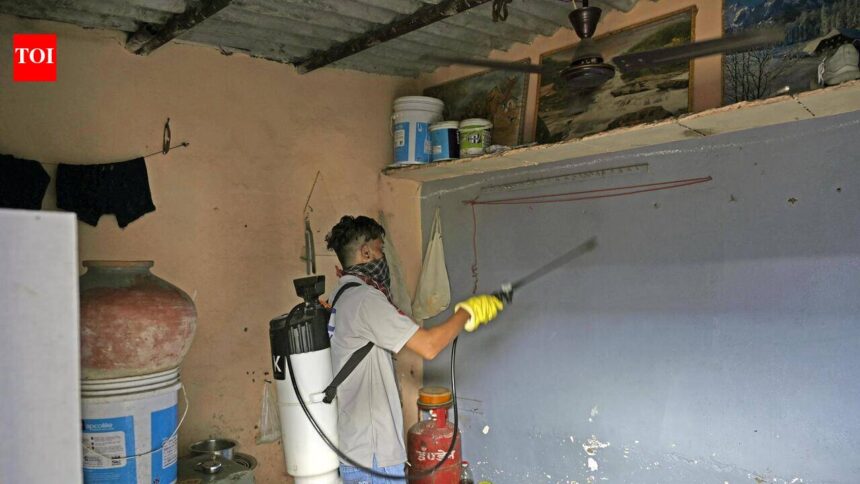
As the situation continues to unfold, health officials are working to identify the source of the outbreak and prevent further spread of the disease. This includes conducting door-to-door surveys, distributing insecticide-treated bed nets, and providing education on how to prevent sandfly bites. Meanwhile, families who have lost loved ones are struggling to come to terms with their loss, and are seeking answers about how this could have happened and what could have been done to prevent it.
Response and Prevention
The state government has faced criticism for its handling of the outbreak, with some accusing officials of being slow to respond and failing to provide adequate resources to affected communities. In response, the health minister has announced plans to increase funding for public health initiatives and to strengthen the state’s disease surveillance system. This includes hiring additional healthcare workers, upgrading medical facilities, and improving communication between healthcare providers and the public.
Prevention is also a key focus of the government’s response, with efforts underway to reduce the population of sandflies in affected areas and to educate the public about how to protect themselves from the virus. This includes using insecticides, eliminating standing water where sandflies can breed, and wearing protective clothing and insect repellent when outdoors. By taking these steps, health officials hope to prevent further spread of the disease and to reduce the risk of future outbreaks.
Looking to the Future
As the people of Gujarat look to the future, they are left to wonder what could have been done to prevent this tragedy and how they can work together to prevent similar outbreaks in the future. The Chandipura virus outbreak has highlighted the need for a strong and effective public health system, one that is capable of responding quickly and effectively to emerging health crises. It has also underscored the importance of community engagement and education, as well as the need for increased funding and resources for public health initiatives.
The road to recovery will be long and difficult, but by working together and supporting one another, the people of Gujarat can rebuild and emerge stronger than ever. As the investigation into the outbreak continues, one thing is clear: the Chandipura virus has left an indelible mark on this community, and it will take time, effort, and dedication to heal and move forward. The state government, healthcare providers, and the public must work together to ensure that this tragedy is never repeated, and that the people of Gujarat are protected from the threats of infectious diseases like the Chandipura virus.