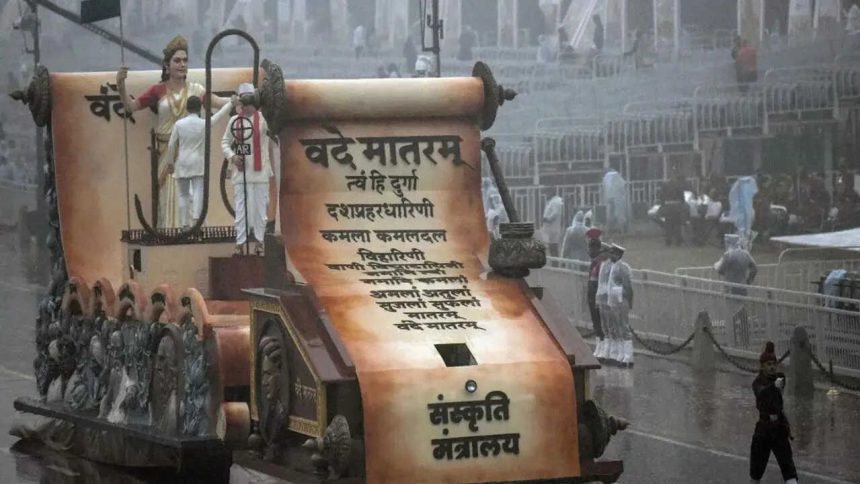
The Indian Cabinet has taken a significant step towards promoting national pride and unity by approving a proposal to amend the Prevention of Insults to National Honour Act, effectively putting Vande Mataram on the same pedestal as Jana Gana Mana, the national anthem. This move comes on the heels of the government’s sweeping victory in the recent Bengal polls, and is seen as a way to further strengthen national sentiment and patriotism. The decision is expected to have far-reaching implications for the country, and has already sparked intense debate and discussion among citizens and scholars alike.
Historical Context and Significance
Vande Mataram, which translates to ‘I bow to thee, Mother’, is a poem written by Bankim Chandra Chattopadhyay in 1876, and has been a powerful symbol of Indian nationalism and independence since the country’s struggle for freedom from British rule. The poem was later set to music and became a rallying cry for the independence movement, with leaders like Mahatma Gandhi and Jawaharlal Nehru often invoking its stirring words to inspire and motivate the masses. By elevating Vande Mataram to the same status as Jana Gana Mana, the government is seeking to recognize and honor the significant role it has played in shaping the country’s history and identity.
The move is also seen as a way to promote a sense of national unity and cohesion, by recognizing and celebrating the diversity of Indian culture and heritage. Vande Mataram is a song that has been loved and revered by people across the country, and its elevation to the status of a national anthem is expected to further strengthen the bonds of national pride and patriotism. However, some scholars and critics have raised concerns about the potential implications of this move, arguing that it could be seen as an attempt to impose a particular ideology or cultural narrative on the country.
Implications and Reactions
The decision to amend the Prevention of Insults to National Honour Act and elevate Vande Mataram to the status of a national anthem has sparked a wide range of reactions and responses from across the country. While some have welcomed the move as a way to promote national pride and unity, others have expressed concerns and reservations about the potential implications of this decision. Some have argued that the move could be seen as an attempt to undermine the significance and importance of Jana Gana Mana, which has been the national anthem since India gained independence in 1947.
Others have raised concerns about the potential impact of this decision on the country’s diverse cultural and linguistic heritage. India is a country with a rich and diverse cultural landscape, and the elevation of Vande Mataram to the status of a national anthem could be seen as an attempt to impose a particular cultural narrative on the country. However, the government has sought to allay these concerns, arguing that the move is intended to promote national unity and cohesion, rather than to impose a particular ideology or cultural narrative on the country.
Future Directions and Challenges
The decision to elevate Vande Mataram to the status of a national anthem is expected to have significant implications for the country, and will likely be the subject of intense debate and discussion in the days and weeks to come. The government will need to navigate a range of complex challenges and considerations as it seeks to implement this decision, including the potential impact on the country’s cultural and linguistic heritage, and the need to promote national unity and cohesion in a diverse and multicultural society.
Ultimately, the success of this move will depend on the government’s ability to balance competing interests and priorities, and to promote a sense of national pride and unity that is inclusive and respectful of the country’s diverse cultural and linguistic heritage. As the country moves forward, it will be important to continue to promote and celebrate the values of national unity, cohesion, and patriotism, while also recognizing and respecting the diversity and complexity of Indian culture and society. The government’s decision to elevate Vande Mataram to the status of a national anthem is a significant step in this direction, and will likely have far-reaching implications for the country in the years to come.