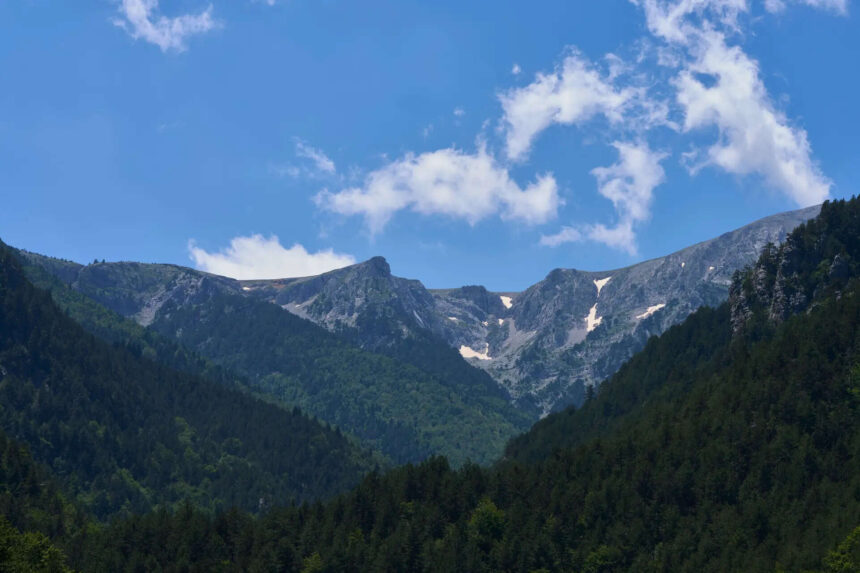
Greece is taking a monumental step to safeguard its most revered landmark, as Mount Olympus, the mythological abode of Zeus and the ancient Greek gods, is being considered for UNESCO World Heritage status. For centuries, the snow-capped mountain has stood tall, watching over the country with an air of mystique and grandeur. Its rugged beauty and rich cultural significance have captivated the imagination of people around the world, and now, Greece is seeking international recognition to protect this natural wonder for future generations.
Mythological Significance
Mount Olympus has been an integral part of Greek mythology, with the ancient Greeks believing it to be the dwelling place of the gods. The mountain’s peak was said to be the throne of Zeus, the king of the gods, and the site of numerous mythical events. The surrounding landscape is dotted with archaeological sites, including the ancient city of Dion, which was a major center of worship for the gods. The mountain’s cultural significance extends beyond Greece, with its legend influencing art, literature, and philosophy throughout history.
The mythological significance of Mount Olympus is not limited to its association with the gods. The mountain has also been a source of inspiration for countless artists, writers, and musicians, who have drawn upon its beauty and mystique to create some of the most iconic works of art in human history. From Homer’s epics to the works of modern artists, Mount Olympus has been a constant source of fascination and creativity.
Natural Beauty and Environmental Significance
Mount Olympus is not only a cultural treasure but also a natural wonder, with its diverse flora and fauna making it a unique ecosystem. The mountain is home to a wide range of plant and animal species, many of which are found nowhere else in the world. Its forests, which cover over 50% of the mountain, are a vital habitat for numerous endangered species, including the European black pine and the Balkan chamois. The mountain’s natural beauty is also a major tourist attraction, with thousands of visitors flocking to the area each year to hike, ski, and take in the breathtaking views.
The environmental significance of Mount Olympus cannot be overstated. The mountain plays a crucial role in regulating the climate and water cycle of the region, and its forests help to maintain the quality of the air and water. However, the mountain is facing numerous environmental challenges, including deforestation, pollution, and climate change, which threaten the very existence of this natural wonder. By seeking UNESCO World Heritage status, Greece hopes to raise awareness about the importance of protecting Mount Olympus and to mobilize international support for its conservation.
Protection and Preservation
The Greek government has been working tirelessly to protect and preserve Mount Olympus, with a range of initiatives aimed at safeguarding the mountain’s natural and cultural heritage. These include the creation of a national park, which covers over 80% of the mountain, and the implementation of strict conservation measures to prevent deforestation, pollution, and other environmental degradation. The government has also launched a series of education and awareness programs, aimed at promoting the importance of protecting Mount Olympus and encouraging sustainable tourism practices.
As the bid for UNESCO World Heritage status gains momentum, the Greek government is hopeful that international recognition will help to raise the profile of Mount Olympus and attract more support for its conservation. With its rich cultural significance, breathtaking natural beauty, and importance as a habitat for endangered species, Mount Olympus is a truly unique and special place, and its protection is essential for future generations. The mountain’s ascension to UNESCO World Heritage status would be a major milestone in the conservation of this natural wonder, and a testament to the power of international cooperation in protecting our shared cultural and natural heritage.