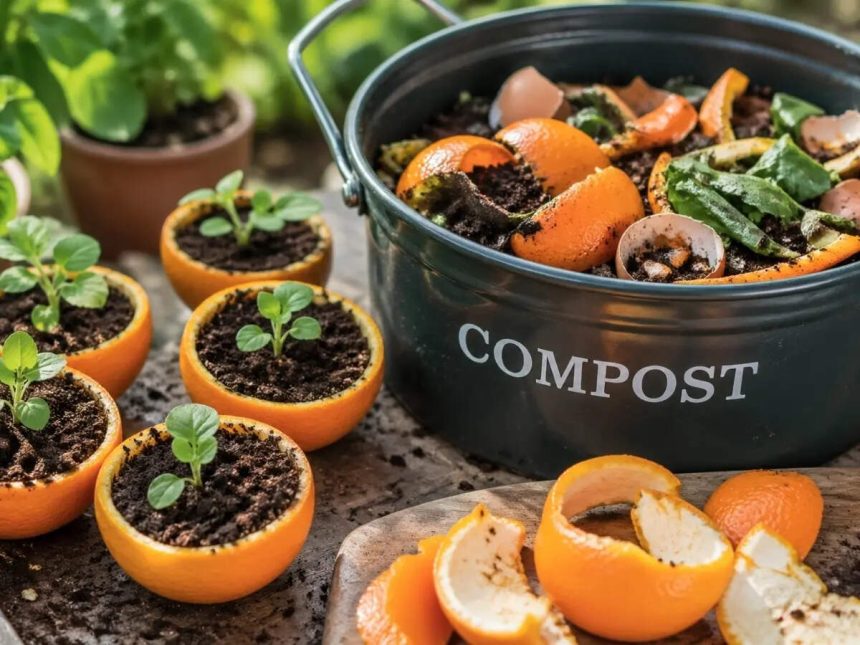
As we continue to search for innovative ways to reduce our environmental footprint, one often-overlooked solution lies right in our kitchens. Orange peels, typically discarded without a second thought, hold a wealth of potential for gardeners looking to cut down on waste and chemical use. By repurposing these citrus byproducts, gardeners can create natural compost, ant repellents, seed starters, and aphid sprays, transforming their outdoor spaces into thriving oases. This simple yet effective approach not only reduces the amount of waste sent to landfills but also fosters a healthier, more sustainable gardening practice.
Natural Compost and Fertilizers
One of the most significant benefits of reusing orange peels in the garden is their ability to act as a natural compost and fertilizer. Rich in nitrogen, phosphorus, and potassium, these essential nutrients are released as the peels break down, providing a nutrient-rich soil amendment for plants. To create an orange peel compost, simply dry the peels in the sun or oven until they are brittle, then blend them into a fine powder using a food processor or coffee grinder. This powder can be mixed into soil or used as a topical fertilizer, promoting healthy plant growth and development.
Orange peels can also be added to compost piles to speed up the decomposition process and attract beneficial microorganisms. As the peels break down, they release compounds that help to suppress plant diseases and pests, creating a balanced ecosystem that supports overall garden health. By incorporating orange peels into their composting routine, gardeners can reduce their reliance on synthetic fertilizers and create a more sustainable, eco-friendly gardening practice.
Pest Control and Repellents
Orange peels have natural insect-repelling properties, making them an effective tool for controlling pests in the garden. The peels contain a compound called d-limonene, which is toxic to ants and other insects, causing them to avoid areas where the peels are present. To create an ant repellent, simply boil orange peels in water to release their oils, then mix the resulting liquid with soap and water to create a spray. This spray can be applied directly to plants or soil, providing a natural barrier against ant infestations.
In addition to ant repellents, orange peels can also be used to create aphid sprays. Aphids are small, sap-sucking insects that can cause significant damage to plants if left unchecked. By boiling orange peels in water and mixing the resulting liquid with soap and water, gardeners can create a spray that repels aphids and other pests, promoting healthy plant growth and development. This natural approach to pest control eliminates the need for synthetic pesticides, reducing the risk of environmental pollution and harm to beneficial insects.
Seed Starters and Garden Aids
Orange peels can also be used as biodegradable seed starters, providing a sustainable alternative to plastic pots and trays. Simply fill the peels with potting soil, plant seeds, and place them in a warm, sunny location. As the seeds germinate and grow, the peels will break down, eliminating the need for transplanting and reducing soil disturbance. This approach also helps to prevent waste, as the peels would otherwise be discarded.
Finally, orange peels can be used to create a natural garden aid that promotes healthy root development and plant growth. By boiling the peels in water and mixing the resulting liquid with other natural ingredients, gardeners can create a homemade plant tonic that stimulates root growth and increases yields. This tonic can be applied to plants during the growing season, providing a natural boost that promotes healthy development and maximizes crop production.
As gardeners, we are constantly searching for innovative ways to reduce our environmental footprint while promoting healthy plant growth and development. By reusing orange peels in the garden, we can create a more sustainable, eco-friendly gardening practice that eliminates waste and reduces our reliance on synthetic chemicals. So next time you peel an orange, remember the potential that lies within, and get creative with these versatile citrus byproducts. With a little imagination and experimentation, you can unlock the secret to a greener, healthier garden – one orange peel at a time.